"Very interesting ypur! I highly recommend it if you want to find out all about the olive oil production! the samples at the end were amazing"

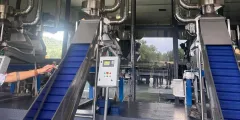
Working Mills
See the press turn, November to February
Book Your Experience
Select your preferred date and time. Instant confirmation — free cancellation up to 24 hours before departure.
The Experience
The machinery, the smell of the paste, and the reason fresh oil tastes the way it does.
Four things that decide whether it is worth your morning.
A mill presses when fruit comes off the trees — roughly November to February. Outside that window you tour a clean, stationary line. Terra Creta states its October-to-February limit on its own listing.
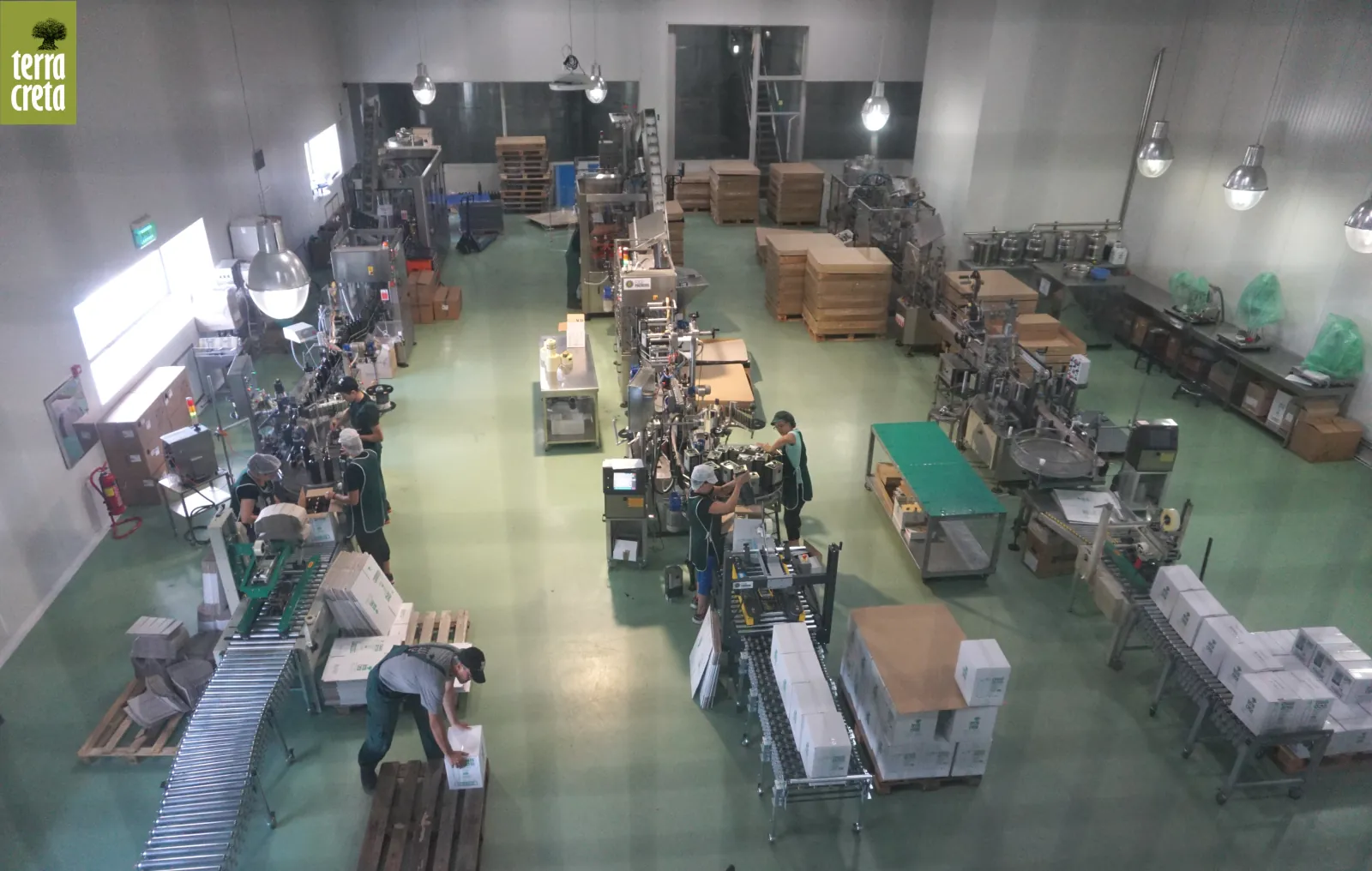
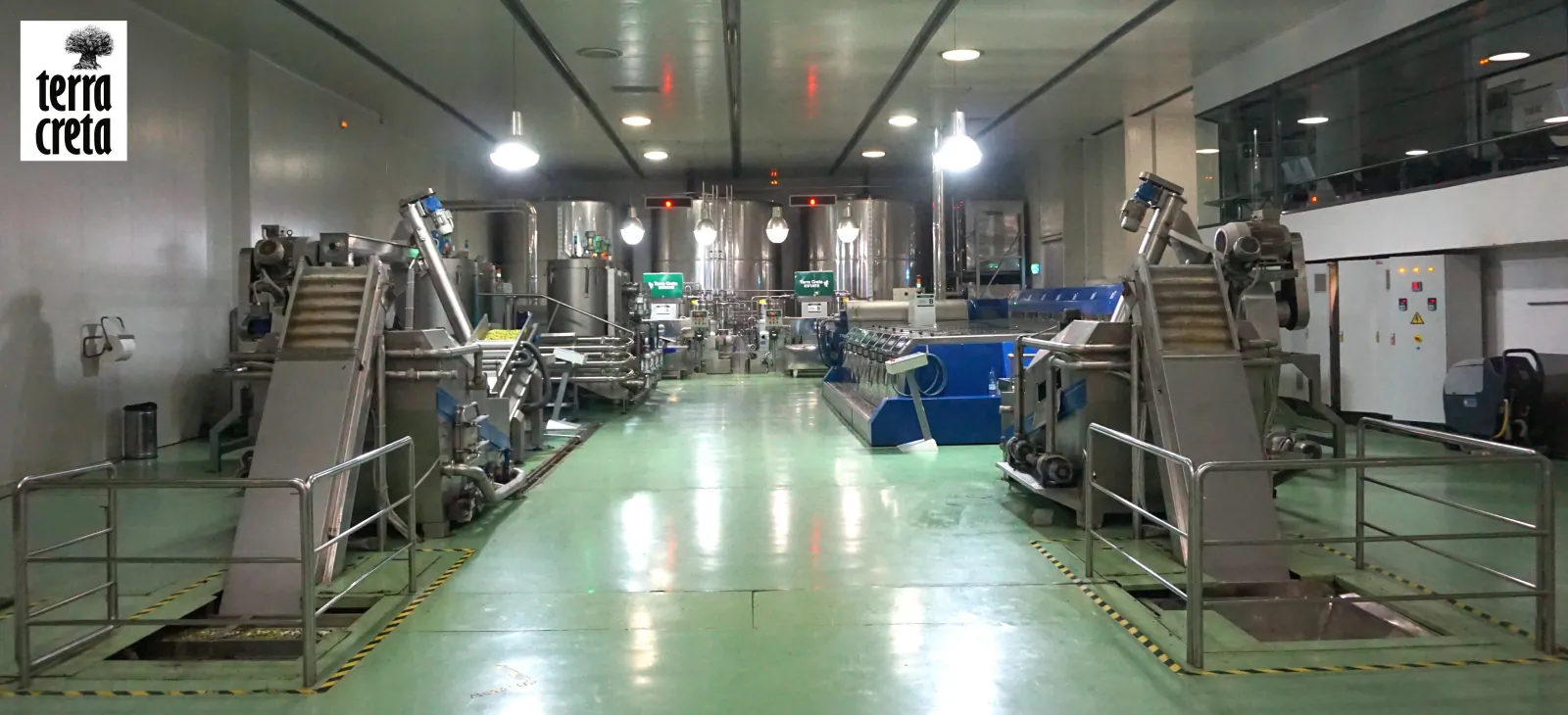
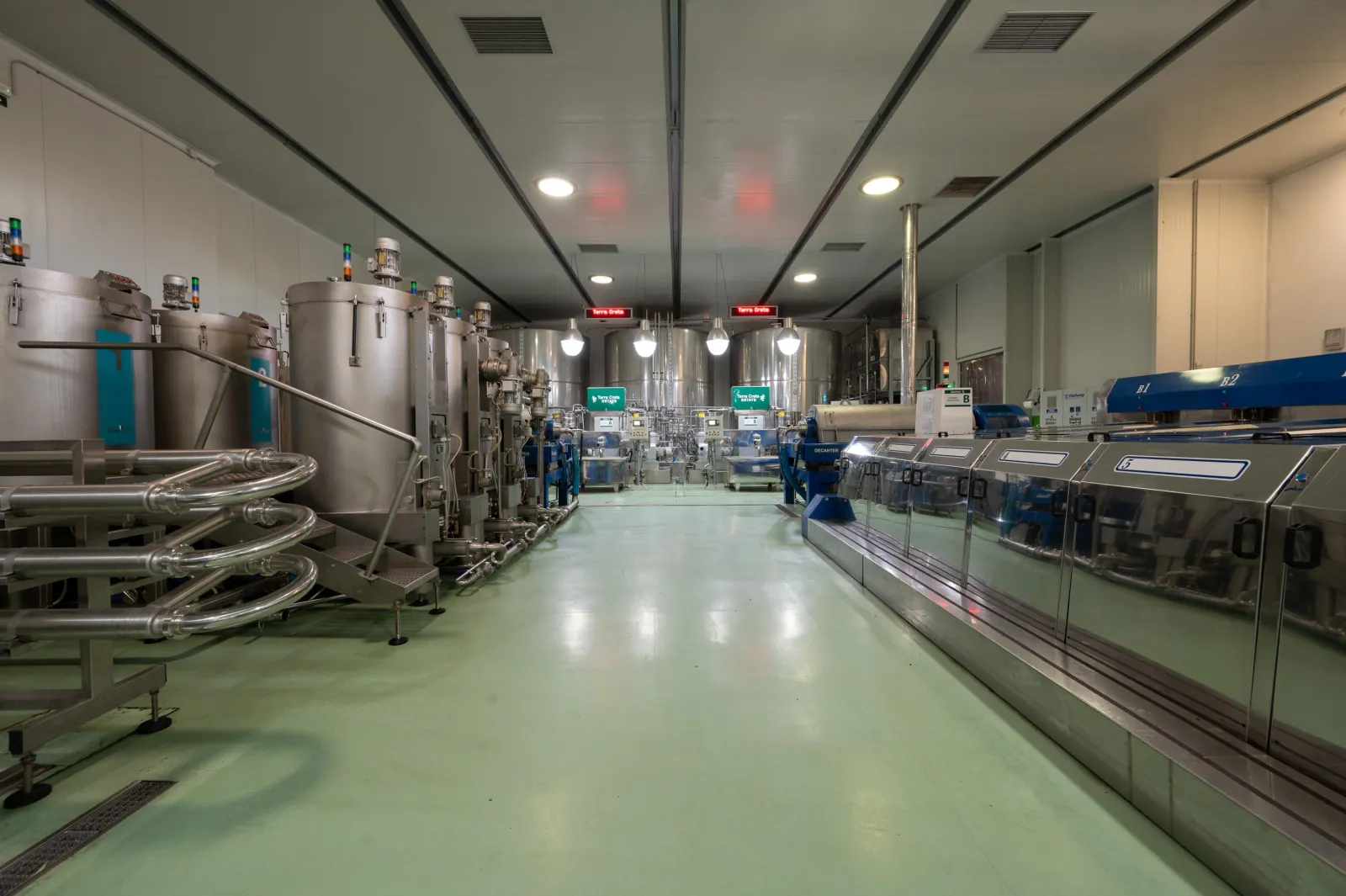
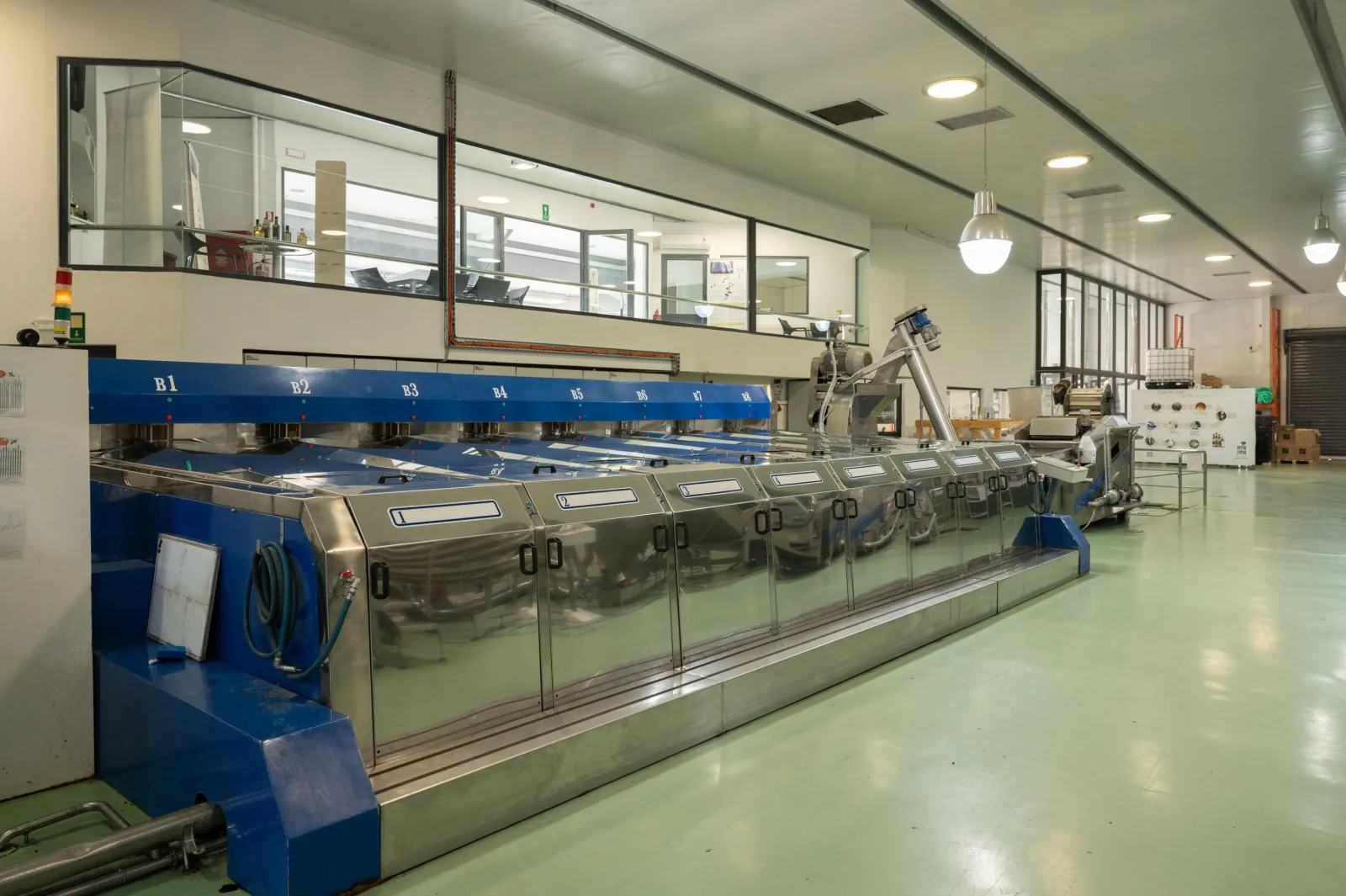
Modern Cretan mills are centrifugal, not stone presses. Fruit is washed, crushed to a paste, malaxed, then spun. It is an industrial line, and that is the honest version of 'liquid gold'.
The dedicated mill visits do not include transport. Kolymvari is about 25 minutes by taxi from Chania or Kissamos; the Heraklion family farm is a drive into the hills at Prassas.
Producer prices beat any shop on the island. The practical problem is flying home with it — check the bottle is packed for hold luggage before you commit to a five-litre tin.
Photo Gallery
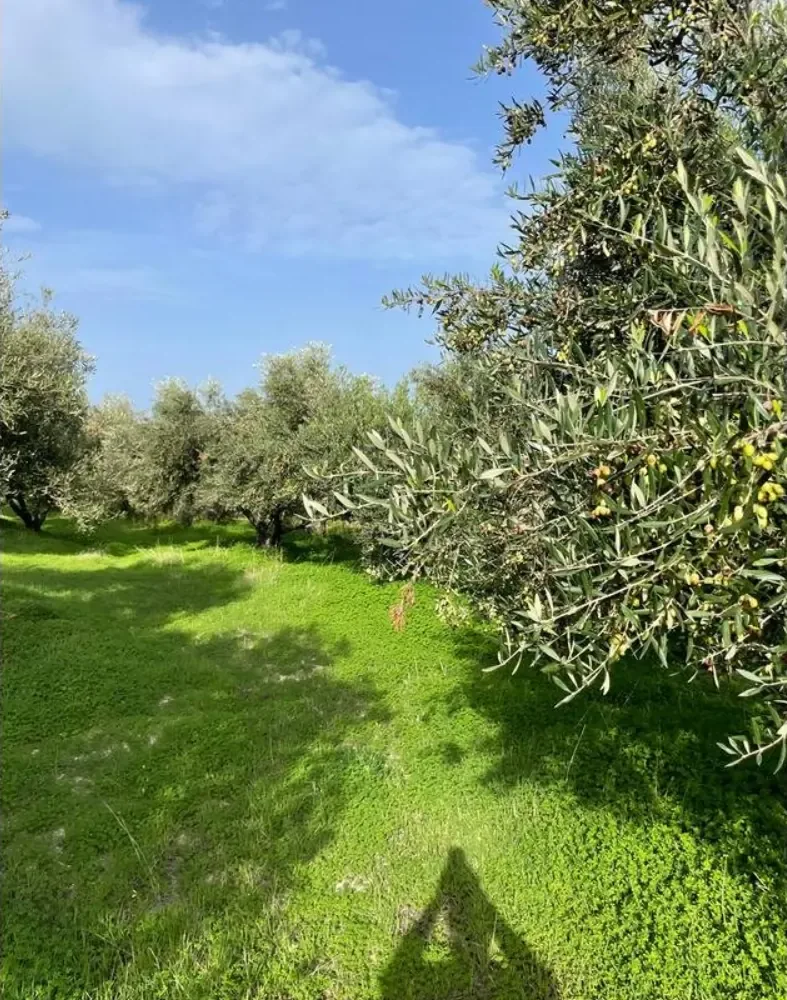
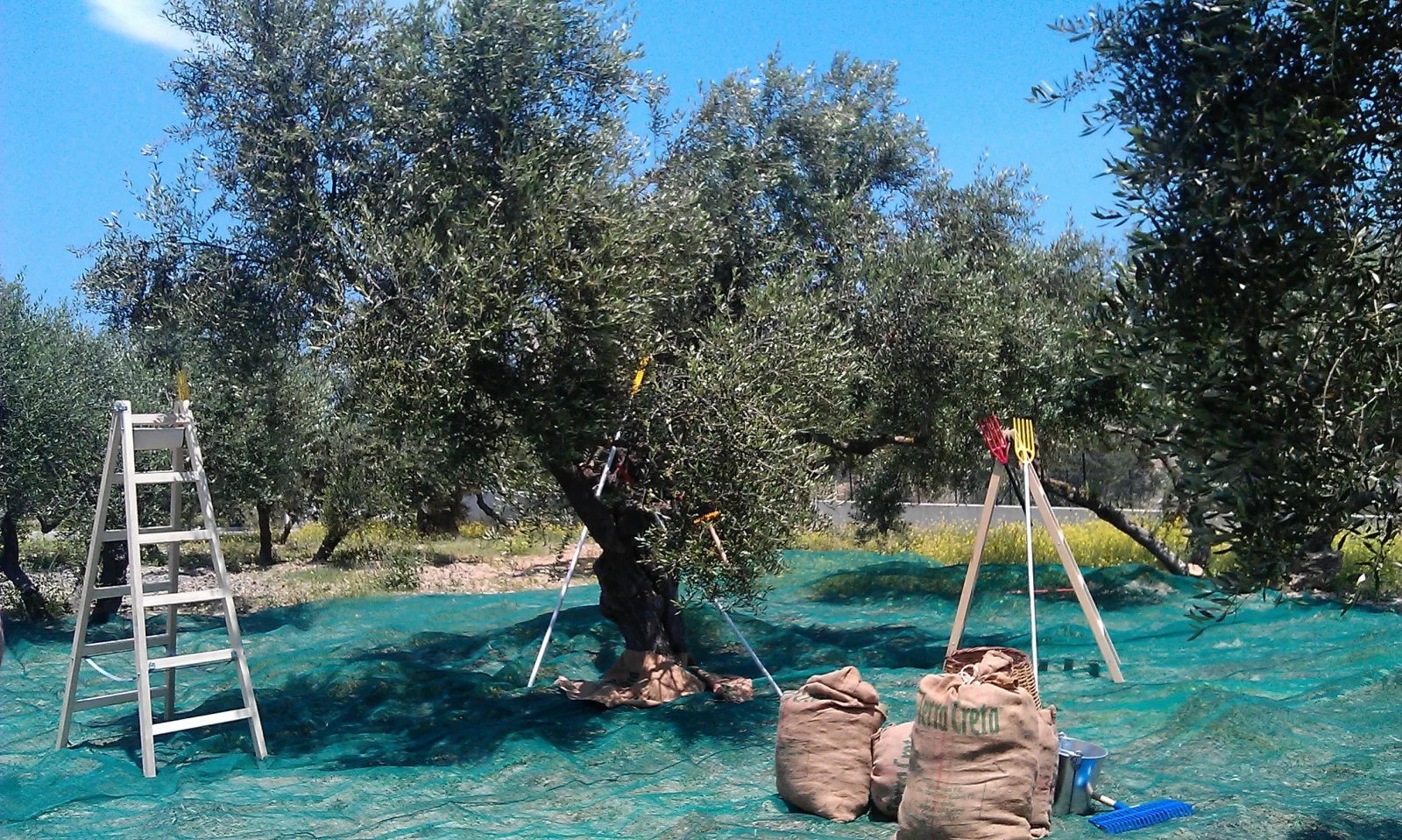
Harvest, paste and the first oil of the season.
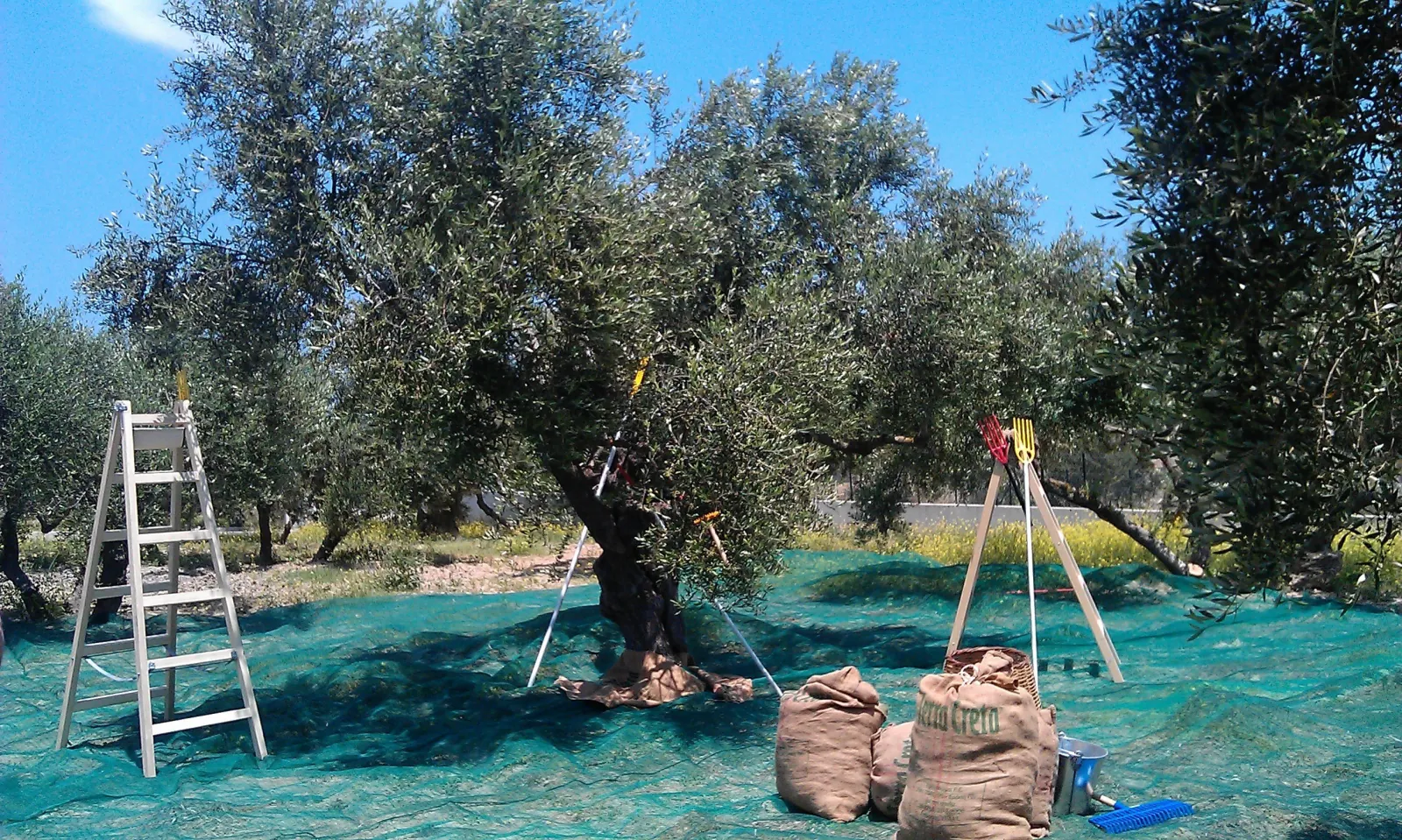
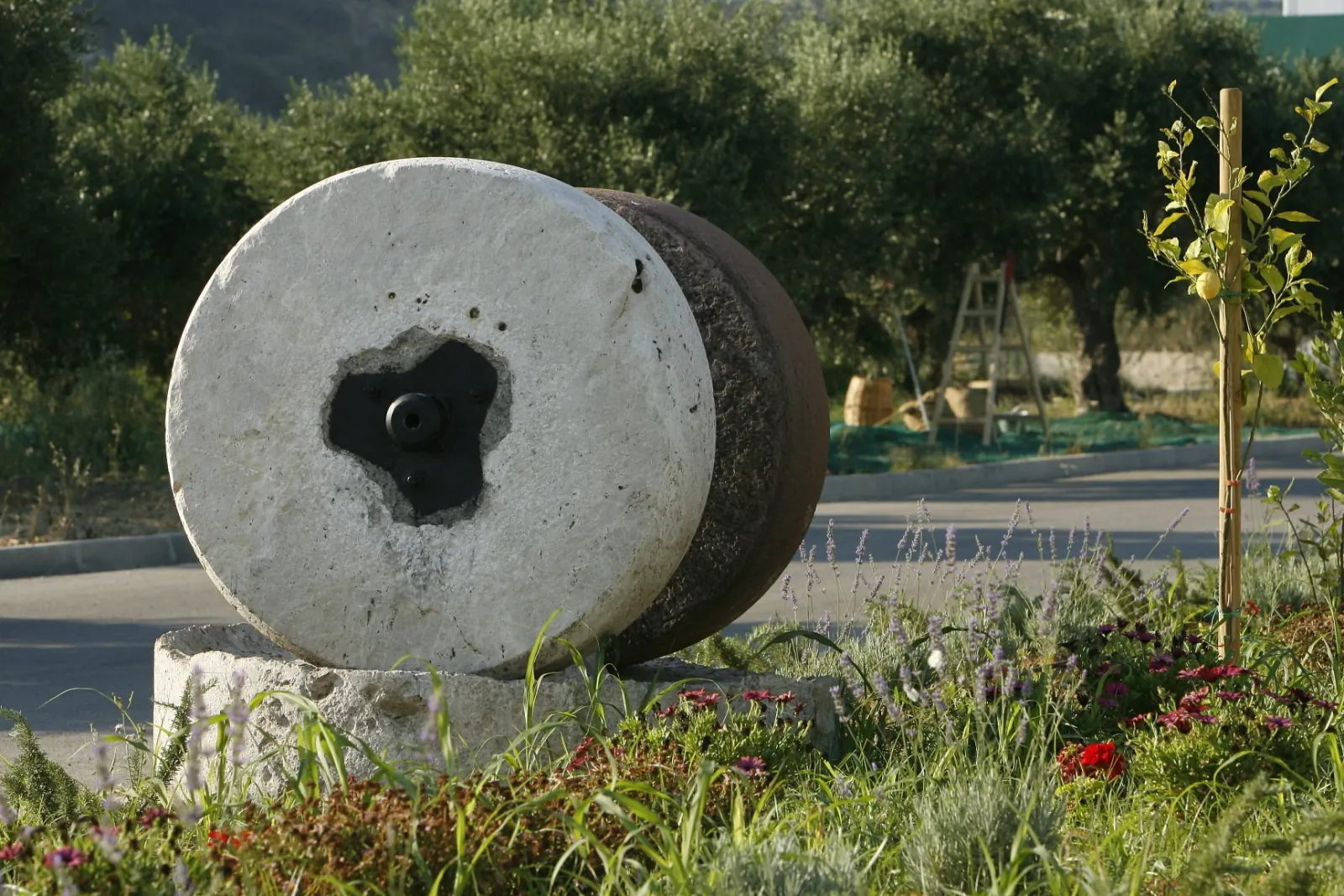
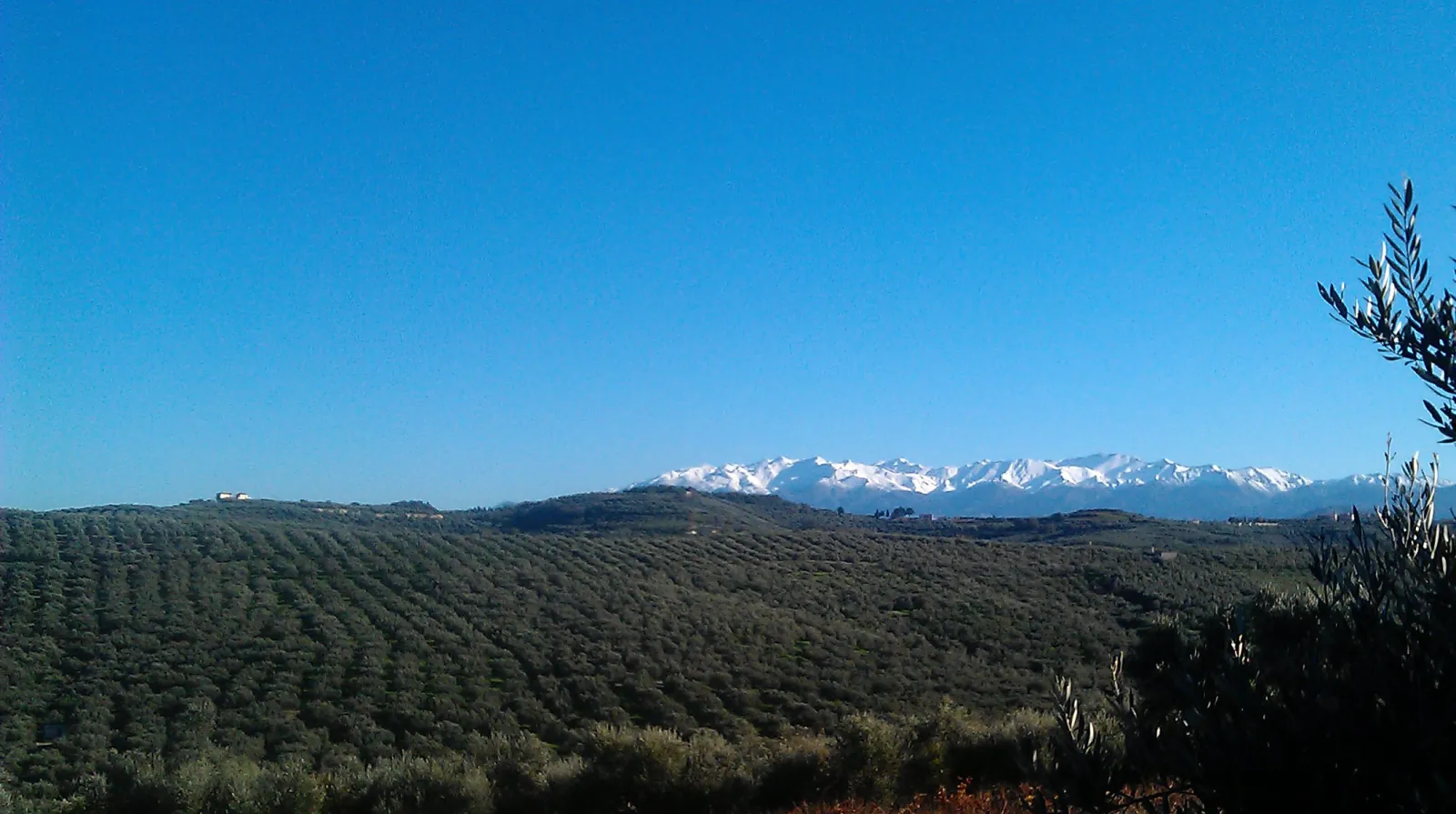
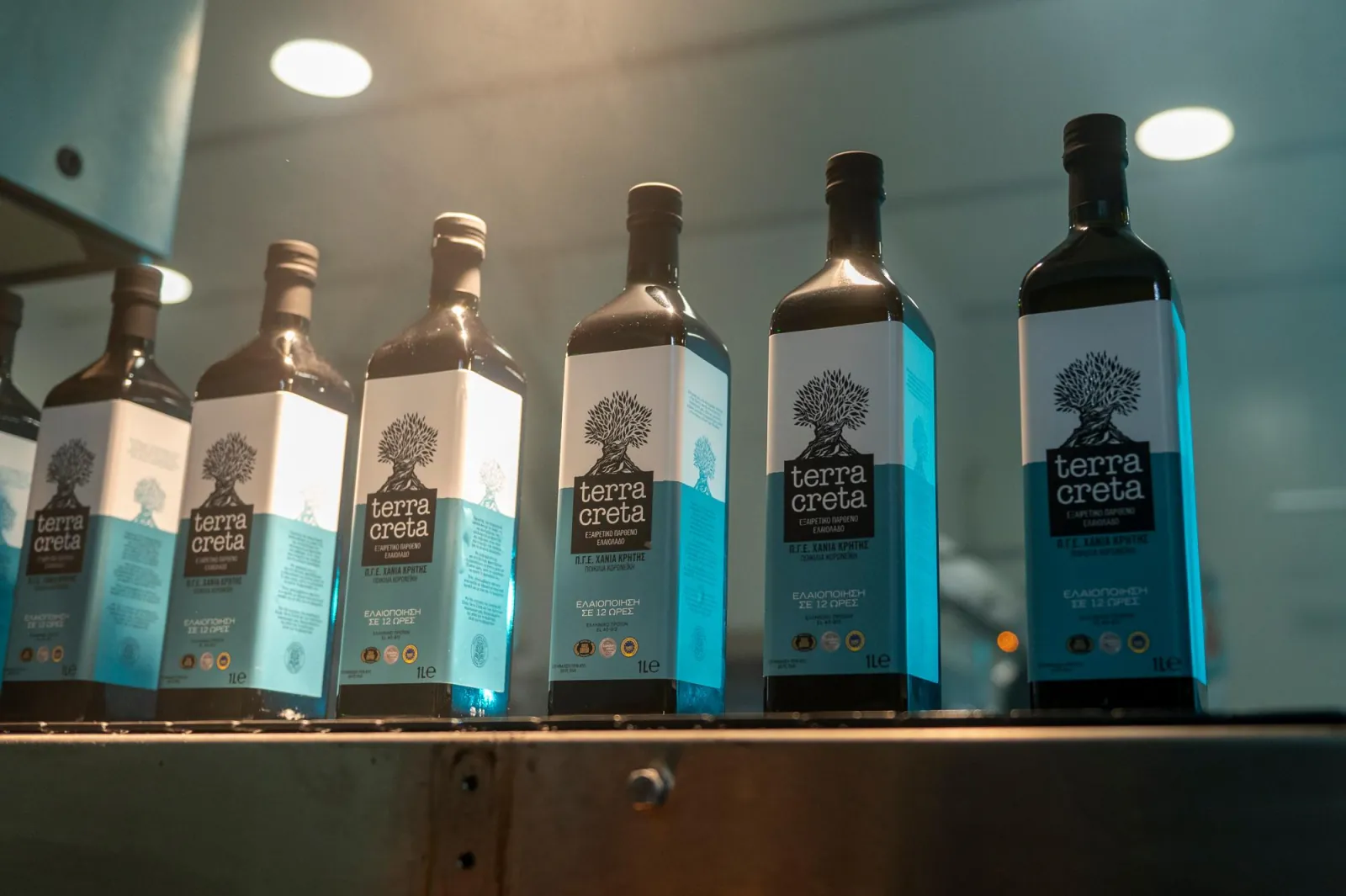
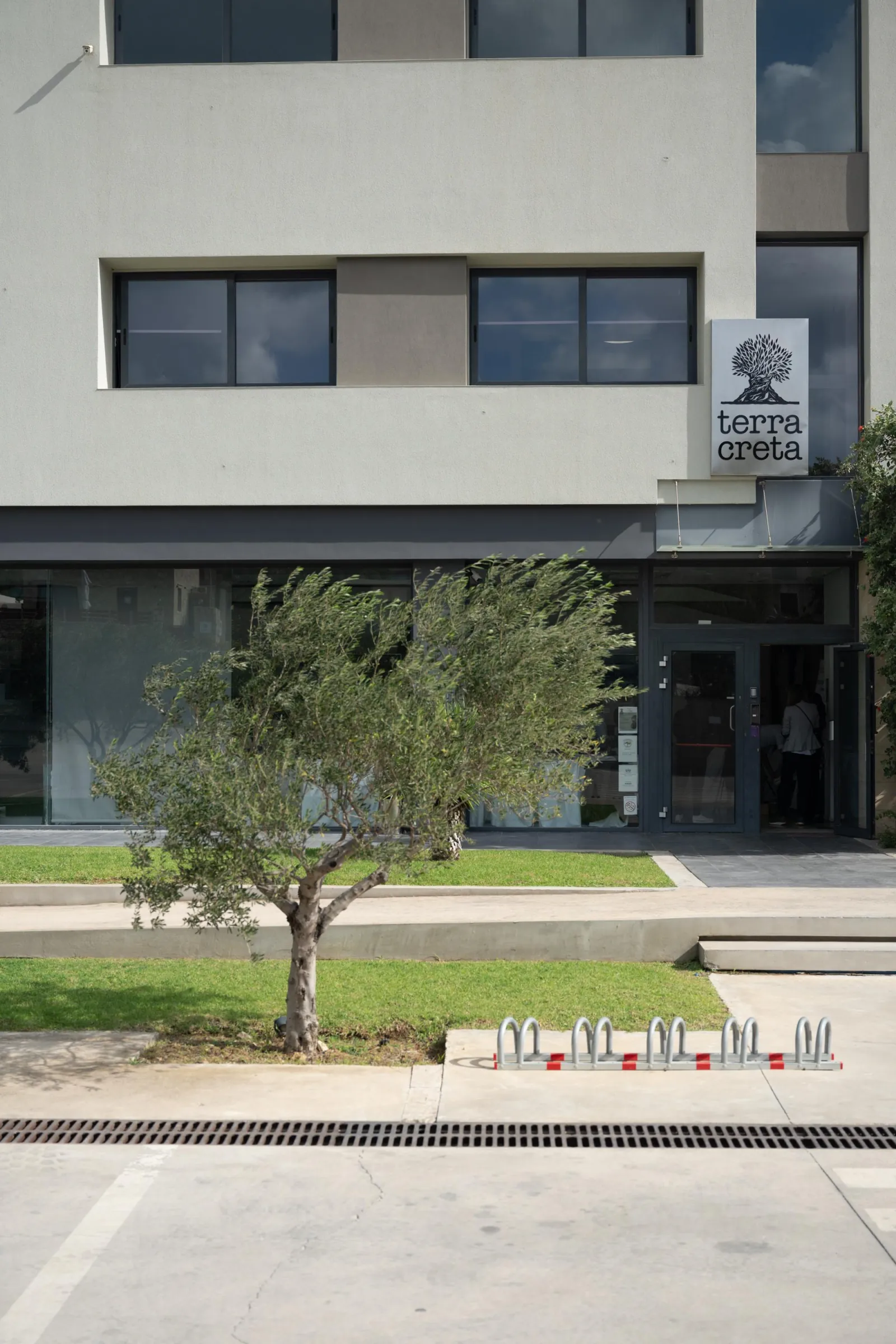
Three ways to get at Cretan olive oil, and what each one actually gives you.
| Feature | RECOMMENDED Guided Olive Oil Tour | Drive to a Mill Yourself | Buy a Bottle in a Supermarket |
|---|---|---|---|
| What you actually do | Grove walk, guided mill visit and a structured tasting of 3–4 oils, with a guide who knows the zone | Turn up at a producer's shop, look around, taste whatever is open on the counter | Read a label in an aisle |
| Seeing oil being pressed | Yes, if you go November–February — and the operator tells you which you are getting | Only if you happen to arrive during harvest and the mill admits visitors that day | ✗ |
| Learning to taste properly | Taught directly — bitterness, the peppery throat catch, how to store it and what to cook with | Rarely — shop staff pour, but structured tuition is not the point of a retail visit | ✗ |
| Getting there | Hotel pickup included on most tours; 104 pickup points on the Chania day tour | Hire car or taxi, on mountain roads, and someone has to stay sober for the tastings | Walk to the shop |
| Cost per person | $10 for a farm walk, $11 for a mill visit, $45–137 for a full day with transport and food | Free entry at most producers, plus fuel, parking and the car itself | €5–15 a bottle |
| What you take home | Oil bought at the gate, usually in travel-safe packaging, plus knowing why it is good | Oil bought at the gate | A bottle you cannot yet judge |
| Best for | Anyone who wants to understand the product, not just own some | Drivers with a full day free and a producer already picked out | Stocking the villa kitchen |
| Check Availability | Browse Tours |
More Options
Looking for something different? Browse popular alternatives — all with free cancellation and instant confirmation.
 LOWEST PRICE
 MILL VISIT
 MOST REVIEWED
 GROVE TASTING
 EAST CRETE
 FULL DAY
 WINE & OIL
Working Mills
The tours run year-round and are worth doing year-round. Only one part of them is seasonal, and it is the part the photographs show.
This is the page for the single most avoidable disappointment in the niche. An olive mill on Crete presses between roughly November and February, because that is when the fruit is picked and fruit has to reach a press within hours of coming off the branch. For the other eight months of the year the machinery is spotless, still, and explained rather than demonstrated.
Almost nobody checks this before booking, and almost every operator says so somewhere in the small print.
The Terra Creta experience at Kolymvari is the only mill visit among the eight tours on this site, and the cheapest oil-dedicated experience in our whole catalogue: one hour inside a real commercial producer’s facility, three oils poured at the end, and appetisers to taste them against, for $11.
A handful of other dedicated mill and tasting listings exist on the island — a private mill visit near Chania, the Karepidis Estate mill tour, a premium tasting masterclass at Rethymno — but all of them carry few or no reviews, so we have not given them pages. Terra Creta’s 465 reviews are what separate it.
Terra Creta is explicit on its own listing that “the mill operates only from October to February”. It also warns that between April and September parts of the site may be fenced off for building work and machinery upgrades. Neither is a reason to skip it — 465 reviews at 4.7 include a great many summer visitors — but it is the difference between disappointment and a well-chosen morning. It is also the only olive experience in this catalogue that lists wheelchair access.
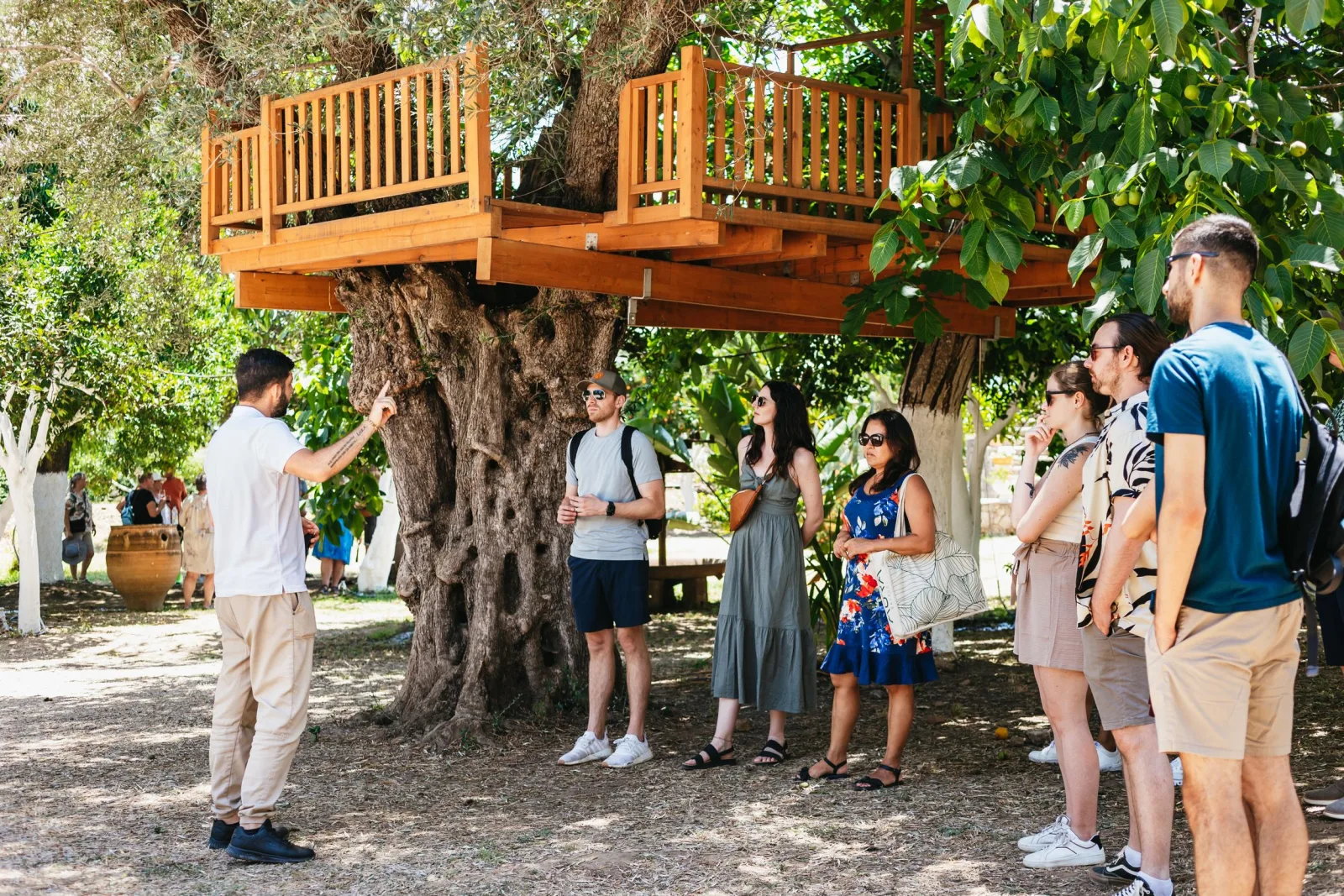
Several of the island’s larger days include a genuine, guided mill stop with a tasting:
It is worth adjusting the mental picture. A modern Cretan mill is a centrifugal line, not a donkey and a stone wheel. Fruit arrives, is washed and stripped of leaves, crushed to a paste, slowly stirred — malaxation, the stage that decides a lot about the final flavour — and then spun to separate oil from water and solids. The stone presses you see on these tours are usually museum pieces standing beside the working line, which is the most honest thing about the visit.
The smell during harvest is the part reviewers remember, and it is the part you cannot get in July.
If your dates fall outside the pressing window, take the Amari Valley tasting near Rethymno instead — it is designed around judging oil rather than watching it made, and it is unaffected by the season. Our harvest guide sets out the calendar month by month.
Guest Reviews
Ratings and review counts are the tour operators' live figures on GetYourGuide and may shift slightly day to day.
"Very interesting ypur! I highly recommend it if you want to find out all about the olive oil production! the samples at the end were amazing"
"The guide was extremely passionate about olive oli and it was a joy to see."
"We had a wonderful visit to the olive oil factory and really enjoyed the guided tour with Krista. She was incredibly knowledgeable and explained everything in such an informative and entertaining way, with plenty of humour along the way. After the tour, we learned more about their products and were guided through an olive oil tasting. This was surprisingly interesting and educational – we learned so much about how to taste and appreciate the different oils. A great experience from start to finish, and we would definitely recommend a visit!"
"Very nice tour. Our guide was professional and friendly. I loved the degustation of the different types of olive oils and olives."
"The tour was very interesting! I liked learning about how olive oil is made and what makes extra virgin olive oil different! The olive oil tasting at the end was very nice!"
"It was a lovely tour. We learned so much about olive oil. Our tour guide was informative and friendly. Highly recommend."
"Tour was great. Very informative and I learned a lot. Easy to follow with nice samples of bread, olives and oil."
"Our tour guide was wonderful. She was welcoming and answered all of our questions. We took this tour with grandparents, teenagers, and a five-year-old. Even the five year-old enjoyed the tour because he loves olives. This might've been one of our favorite things we did while visiting Crete. And we will look for Tera creta products from now on."
Read all 465 verified reviews
See All ReviewsOne hour inside a working Kolymvari mill with a guided tasting of three oils — from $11, and the only purely olive-oil experience on the island. Starting from $11 per person.
Check Availability & BookCan't Make These Dates?
Find a tour that fits your schedule — all with instant confirmation and free cancellation.
When the presses run, and which mills you can actually visit.
Roughly November to February. Olives are picked from early November on the coast and sometimes not until late December in the mountains, and the fruit has to reach a press within hours of coming off the tree — so that is the only window the machinery turns. Terra Creta states on its own listing that its mill operates only from October to February.
Yes, with adjusted expectations. You get a guided walk of a clean, stationary production line, the full explanation of how the oil is made, and a tasting identical to the one in December. What you miss is fruit going in, oil coming out, and the smell — which is the part reviewers remember most.
Terra Creta at Kolymvari, about 25 minutes by taxi from Chania or Kissamos. One hour, $11, a guided tour of a working commercial facility and a tasting of three oils. It is the only mill visit among the eight tours on this site, and the only one of them that lists wheelchair access.
An industrial line rather than a donkey and a stone wheel. Fruit is washed and de-leafed, crushed to a paste, slowly stirred — malaxation, which shapes much of the final flavour — then spun in a centrifuge to separate oil from water and solids. The old stone presses on these tours are usually museum pieces standing beside the working line.
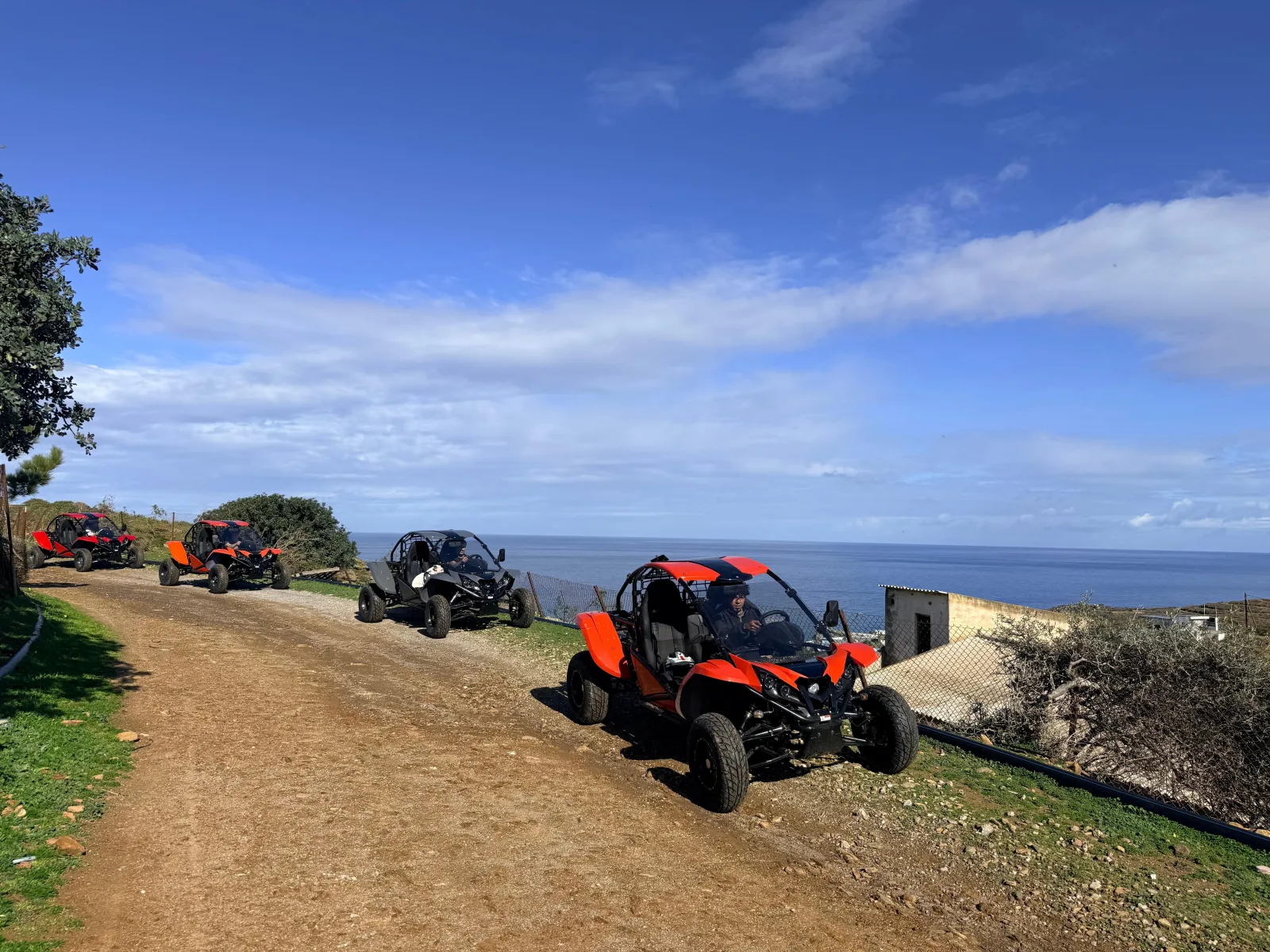
The Chania five-producer day, the full-day Heraklion tour, the buggy safari's 30-minute stop at the Museum of the Olive Tree and Oil at Striligkas, and the Lassithi route's traditional factory visit. All four include a real guided visit and a tasting; they differ in how much of the day is olive oil and how much is something else.
Yes, and the gate price is usually the best on the island. Oil is a liquid, so anything over 100 ml has to travel in checked baggage. Several producers, Terra Creta included, sell in travel-safe packaging specifically because this catches people out.
Still have questions? Email us at info@creteoliveoiltours.com
Keep Exploring
Every olive oil tour, region guide and planning article on this site, in one place.