"Thoroughly enjoyed the experience and Linda our guide was very knowledgeable, couldn't fault her. Leonidas excellent driver in some tricky conditions. Would definitely recommend this trip to any other visitors."
Crete, Greece
Crete Olive Oil Tours
Mill visits, tastings and grove walks across Crete
From
$45
per person
Free cancellation
- 4.6 / 5 1,065+ Reviews
- 7 hours Duration
- 4 Tastings
- Olive Mill Guided Visit
- Free Cancellation
The Experience
What Makes This Tour Special
Everything that makes this a top-rated experience.
Highlights
- Stand under the Olive Tree of Vouves, estimated at 3,000 to 5,000 years old
- Tour a Cretan olive mill and follow the oil from harvest through pressing to bottling
- Taste at a multi-award-winning cheese factory, with each stage of the process explained
- Follow honey from the hive to the bottle on a working grove
- Sample 20 local wines at the family-run Pnevmatikakis Winery at Nopigia
- Eat your way through a family bakery's rusks, breads and savoury pastries
What's Included
- Hotel pick-up and drop-off from Chania and the surrounding coastal resorts
- Air-conditioned coach, with roughly 1.5 hours on the road in each direction
- Professional local guide for the full seven hours
- Guided visit to an olive mill, covering harvesting, pressing and finishing
- Tasting at a family-run bakery — Cretan rusks, fresh bread and savoury pastries
- Cheese tasting at a multi-award-winning factory
- Honey-making demonstration and a walk through the olive grove
- Winery tour and 20 wine samples at Pnevmatikakis
- All tasting fees for the food and drink listed above
Book Your Experience
Check Availability & Prices
Select your preferred date and time. Instant confirmation — free cancellation up to 24 hours before departure.
How It Works
Four simple steps to your booking.
Pick Your Region
Chania, Rethymno, Heraklion and Lasithi each run their own mills and groves. Most tours collect you from hotels in one of those areas, so start with where you are actually staying.
Check the Mill Is Running
A press only turns during harvest, roughly November to February. Outside those months a mill visit is a walk through a silent facility — still worth doing, but ask before you book if seeing it work matters.
Walk the Grove
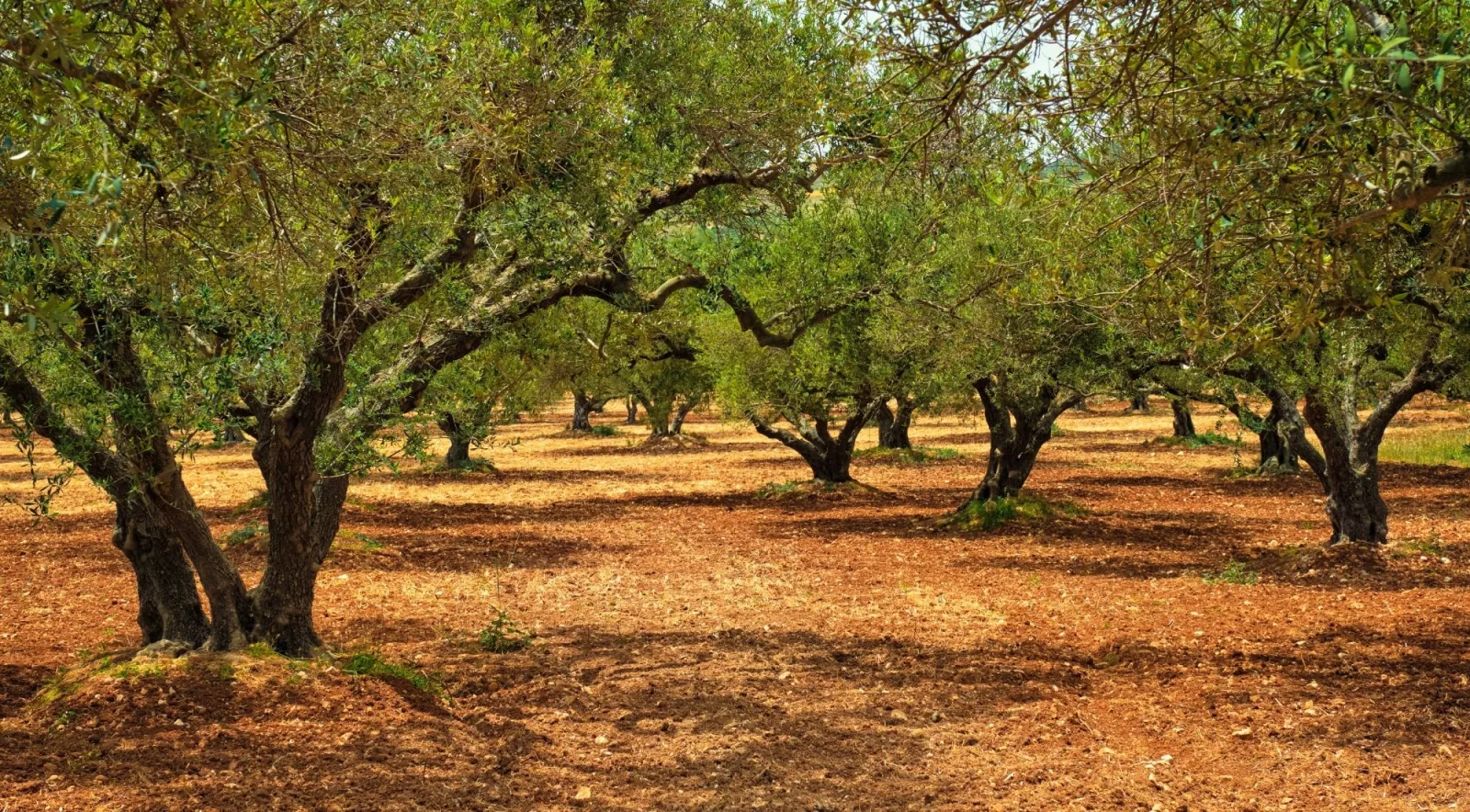
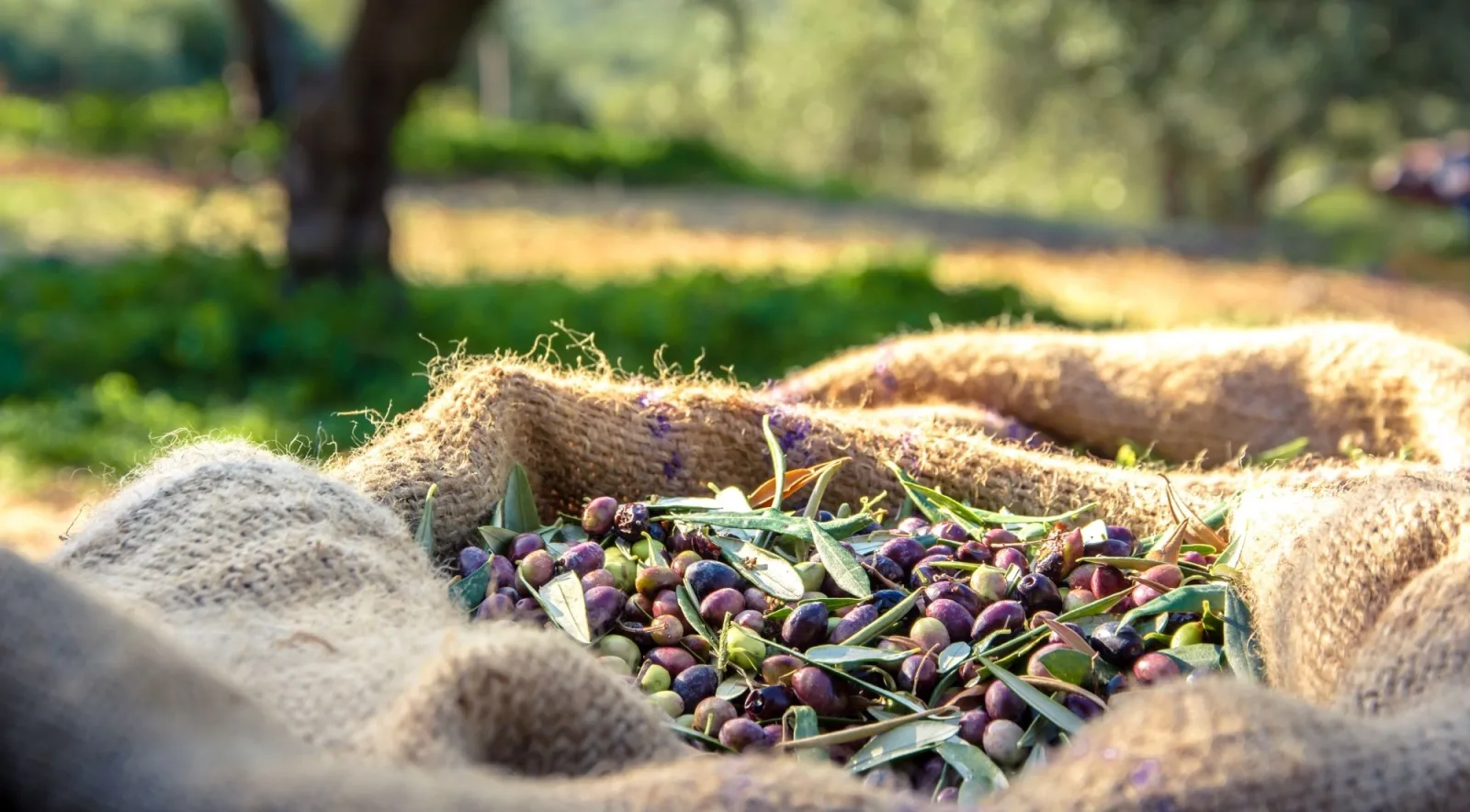
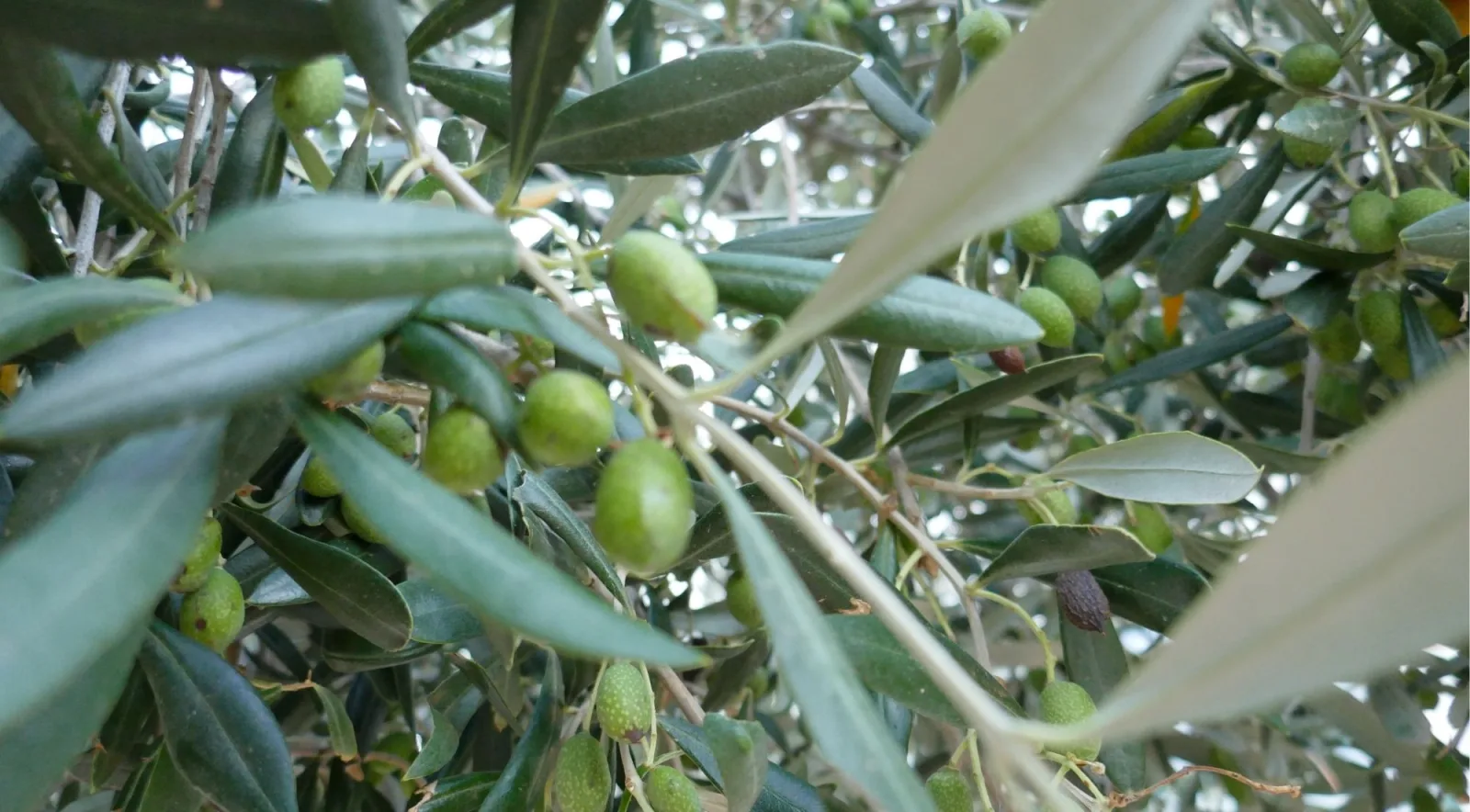
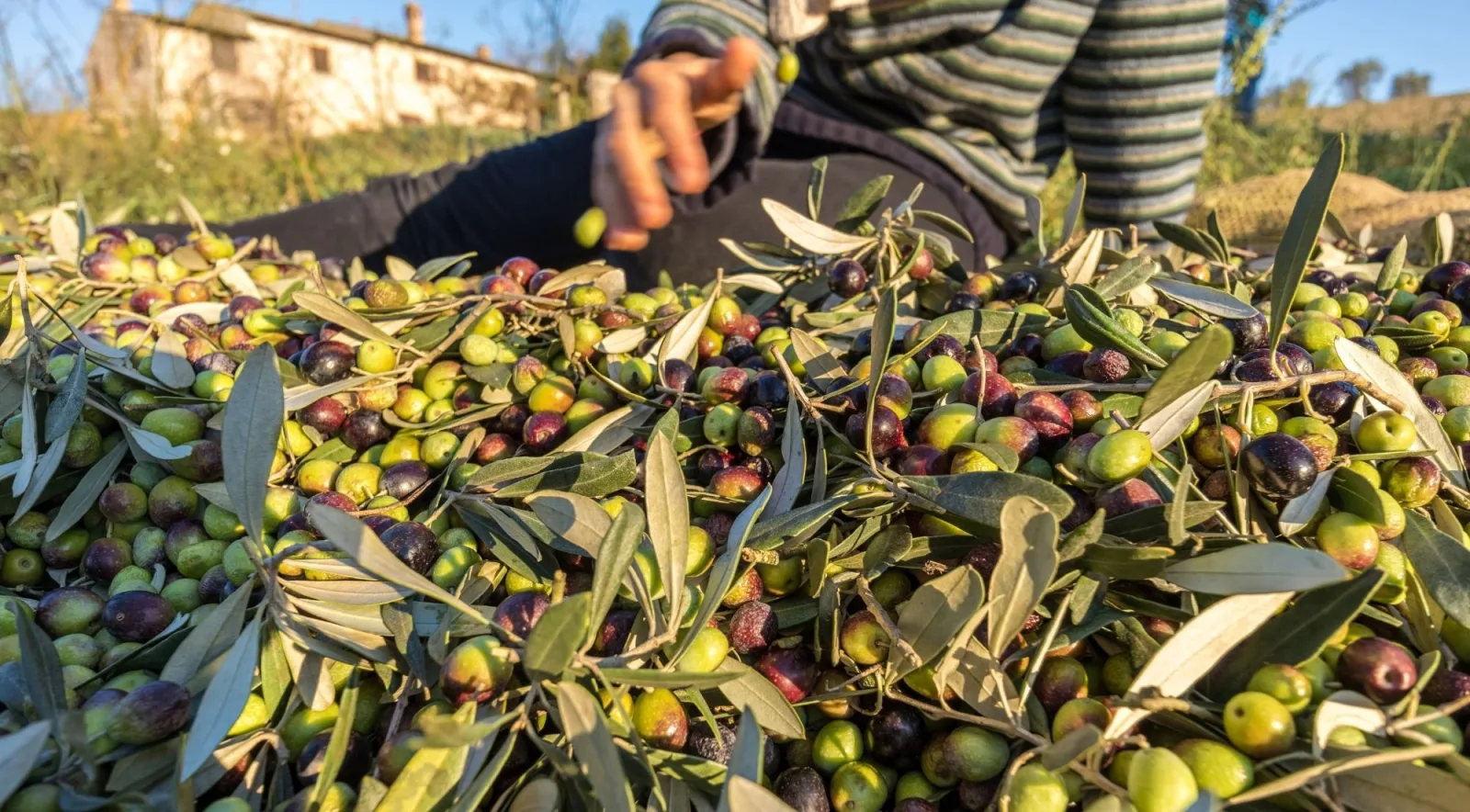
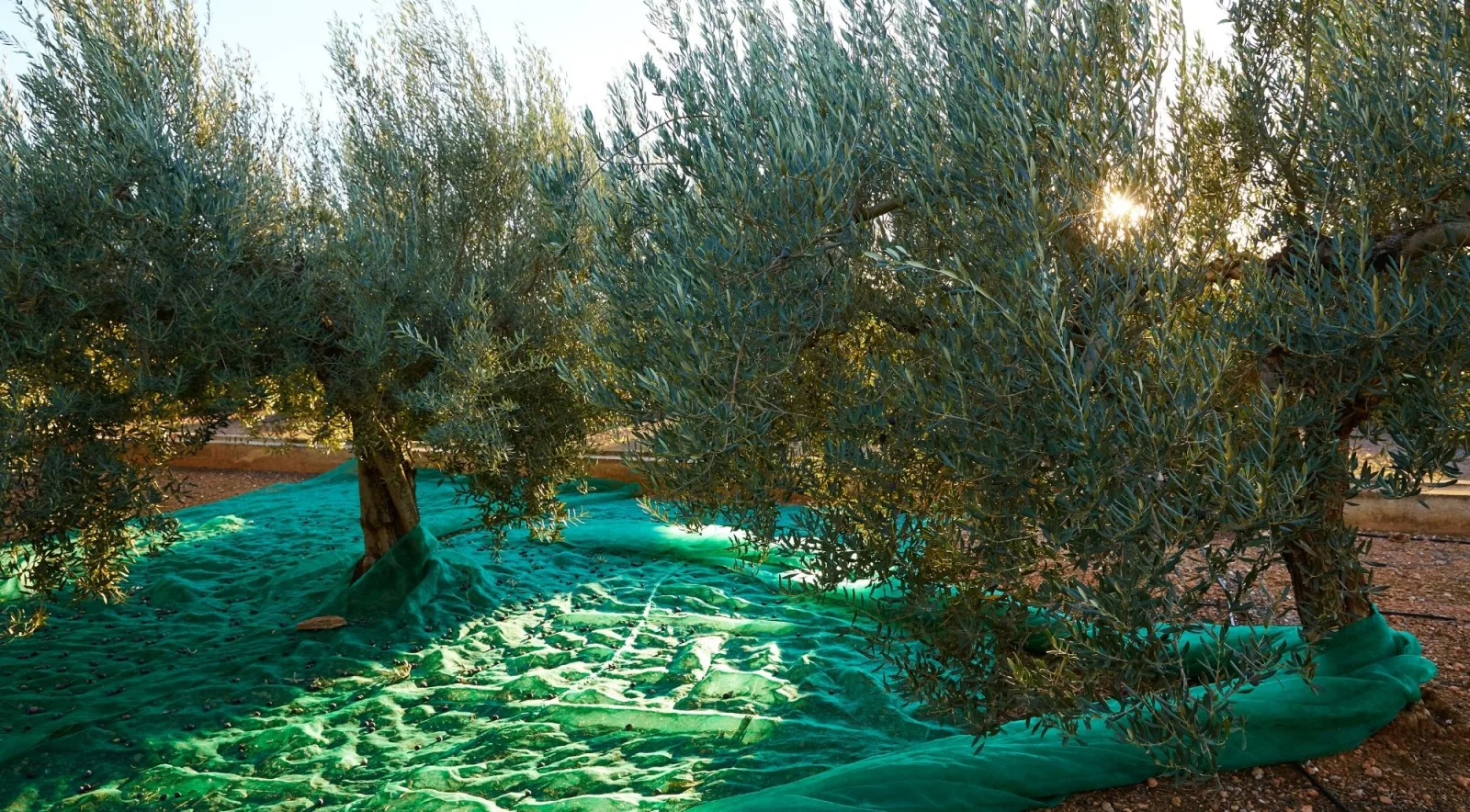
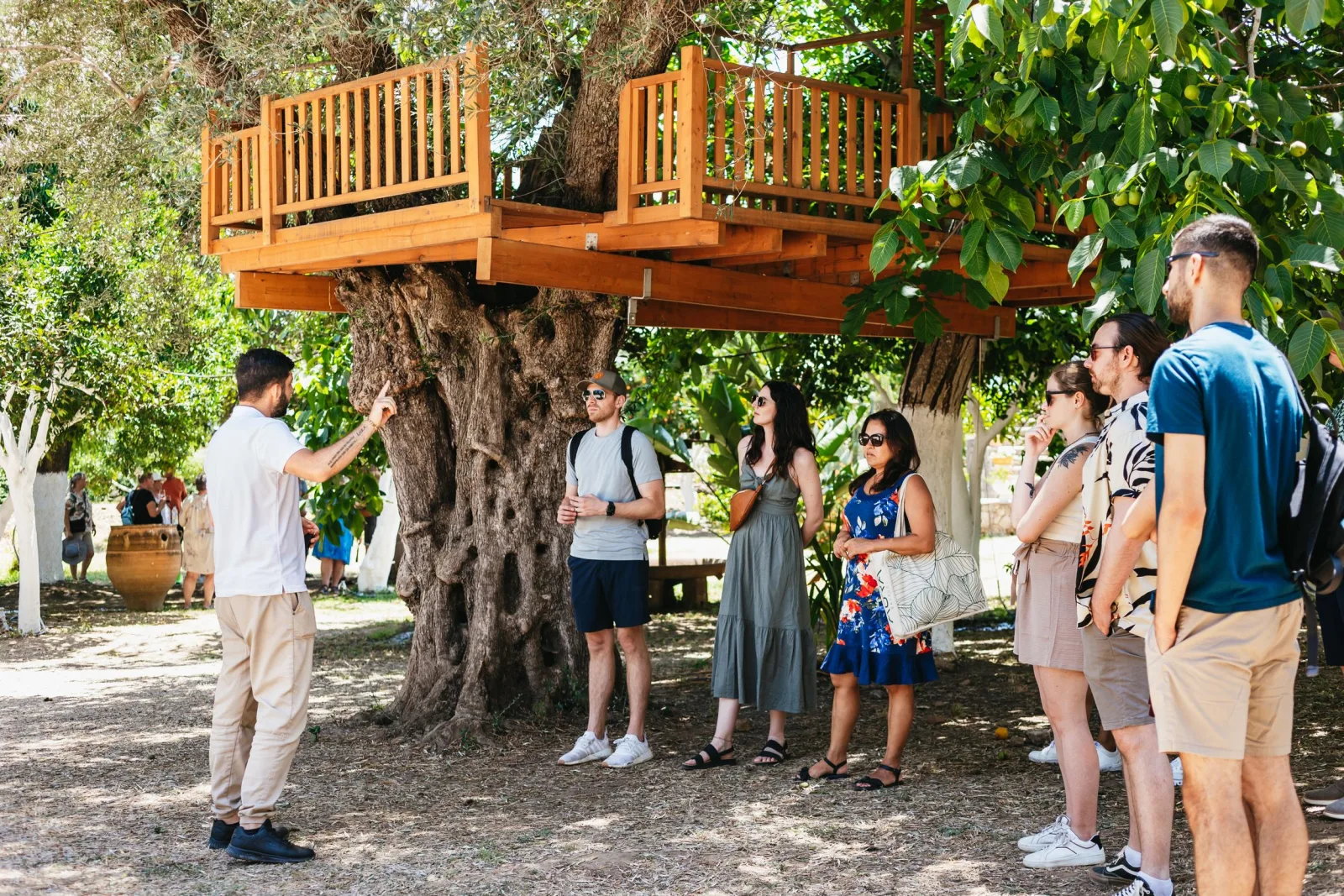
Guides show you how a tree is pruned, netted and picked, and why the fruit has to reach the press within hours. Several tours stand you under a genuinely ancient tree while they explain it.
Taste It Properly
A guided tasting teaches you to judge bitterness and the peppery catch at the back of the throat — the marks of fresh oil. Most tours finish with a table of Cretan food to use it on.
How It Actually Works
What a Crete Olive Oil Tour Actually Looks Like
Here is the thing almost nobody checks before booking: a Cretan olive mill only presses between about November and February. The rest of the year the machinery is spotless, still, and explained rather than demonstrated. That is not a bad day out — the tasting is the part most people remember anyway — but it is a different day from the one the photographs suggest. Here is how a typical visit runs.
- Pickup, and a longer drive than you expect — Most tours collect from hotels along one stretch of coast. The producers sit inland, so budget an hour to ninety minutes each way — on the seven-hour Chania day that is about three hours of the total spent travelling.
- Into the grove first, not the mill — Guides almost always start among the trees, because the mill only makes sense once you have seen how the fruit is netted and picked, and why it has to reach a press within hours of coming off the branch.
- The mill — running, or explained — Between November and February you see fruit going in and oil coming out. Outside those months you walk a clean production line while the guide talks it through. Ask which you are getting before you book if it matters.
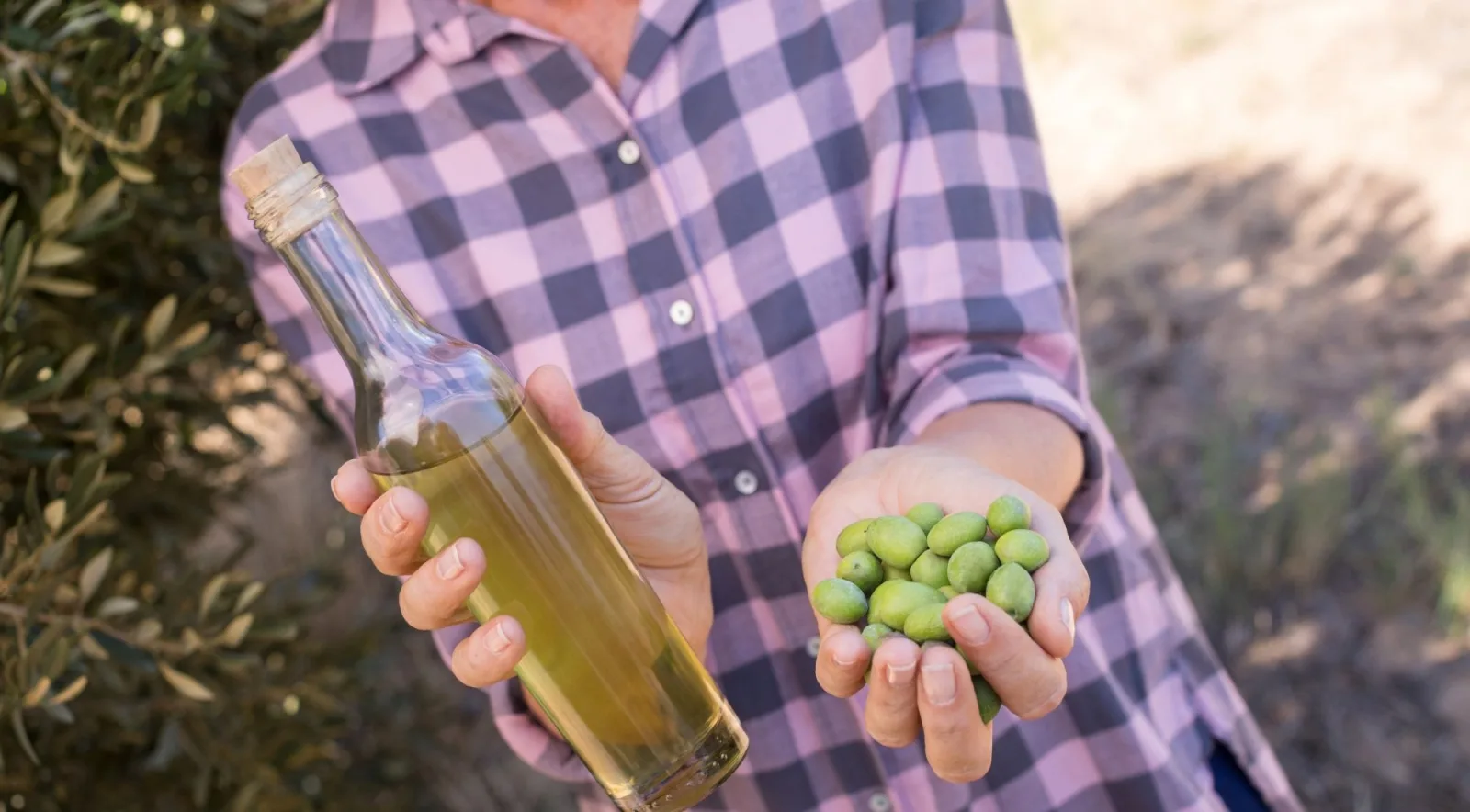
- The tasting, which is the real skill — Oils are poured in sequence — usually three or four. You are taught to find the bitterness mid-tongue and the peppery catch at the back of the throat, and that catch is the thing that tells you an oil is fresh.
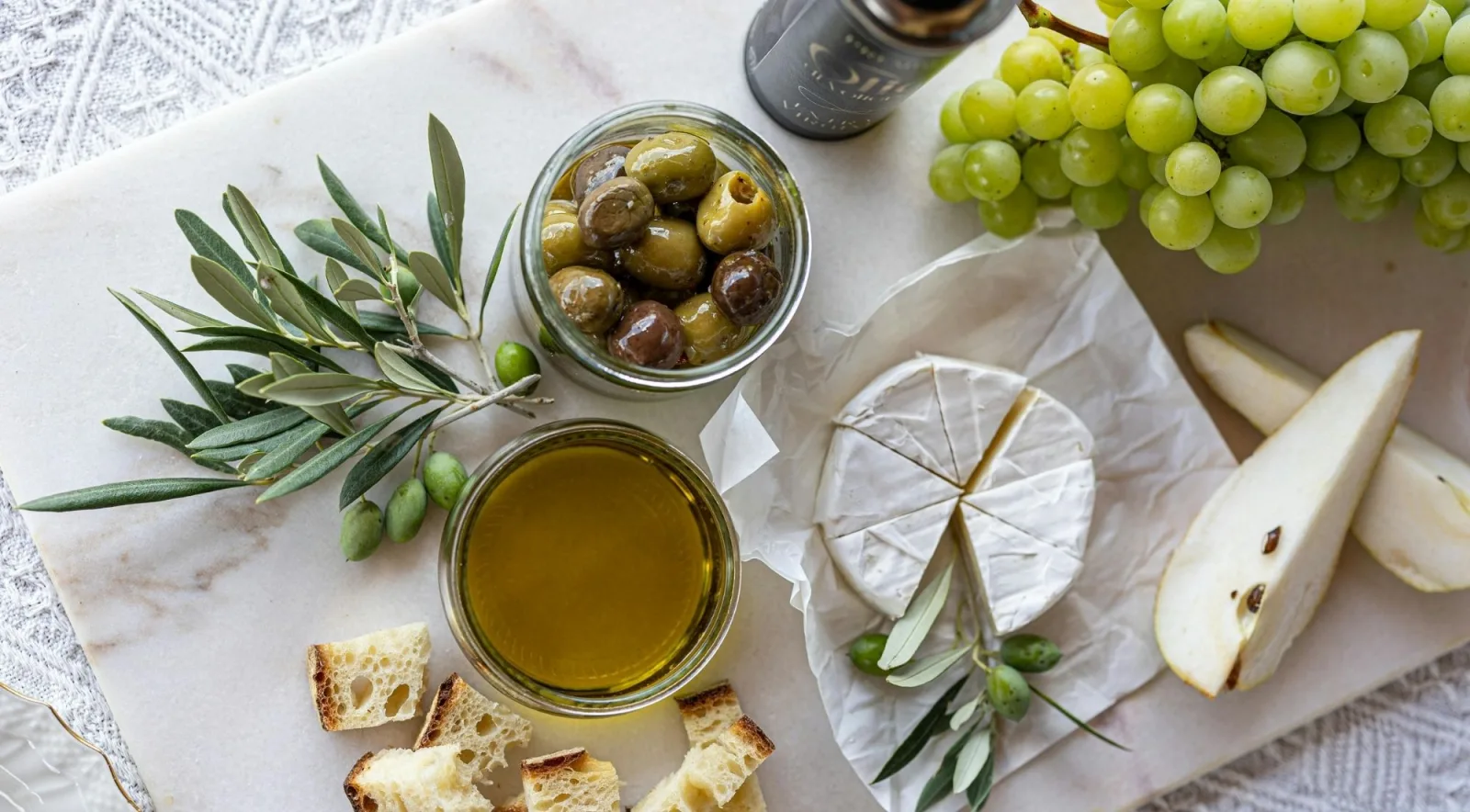
- Food, because oil on its own tells you half the story — Most tours pair the oils with bread, cheese, olives or a full Cretan table. Pairing is where the differences between oils stop being abstract.
- The shop, and the packing problem — Producers sell at the gate and it is usually the best price you will find. Check the bottle is packed for hold luggage — several operators sell travel-safe packaging precisely because this catches people out.
Photo Gallery
Through the Lens
Captured by our guests and guides.
Guided Olive Oil Tour vs Doing It Yourself
Three ways to get at Cretan olive oil, and what each one actually gives you.
| Feature | RECOMMENDED Guided Olive Oil Tour | Drive to a Mill Yourself | Buy a Bottle in a Supermarket |
|---|---|---|---|
| What you actually do | Grove walk, guided mill visit and a structured tasting of 3–4 oils, with a guide who knows the zone | Turn up at a producer's shop, look around, taste whatever is open on the counter | Read a label in an aisle |
| Seeing oil being pressed | Yes, if you go November–February — and the operator tells you which you are getting | Only if you happen to arrive during harvest and the mill admits visitors that day | ✗ |
| Learning to taste properly | Taught directly — bitterness, the peppery throat catch, how to store it and what to cook with | Rarely — shop staff pour, but structured tuition is not the point of a retail visit | ✗ |
| Getting there | Hotel pickup included on most tours; 104 pickup points on the Chania day tour | Hire car or taxi, on mountain roads, and someone has to stay sober for the tastings | Walk to the shop |
| Cost per person | $10 for a farm walk, $11 for a mill visit, $45–137 for a full day with transport and food | Free entry at most producers, plus fuel, parking and the car itself | €5–15 a bottle |
| What you take home | Oil bought at the gate, usually in travel-safe packaging, plus knowing why it is good | Oil bought at the gate | A bottle you cannot yet judge |
| Best for | Anyone who wants to understand the product, not just own some | Drivers with a full day free and a producer already picked out | Stocking the villa kitchen |
| Check Availability | Browse Tours |
More Options
Explore More Tours
Looking for something different? Browse popular alternatives — all with free cancellation and instant confirmation.
 LOWEST PRICE
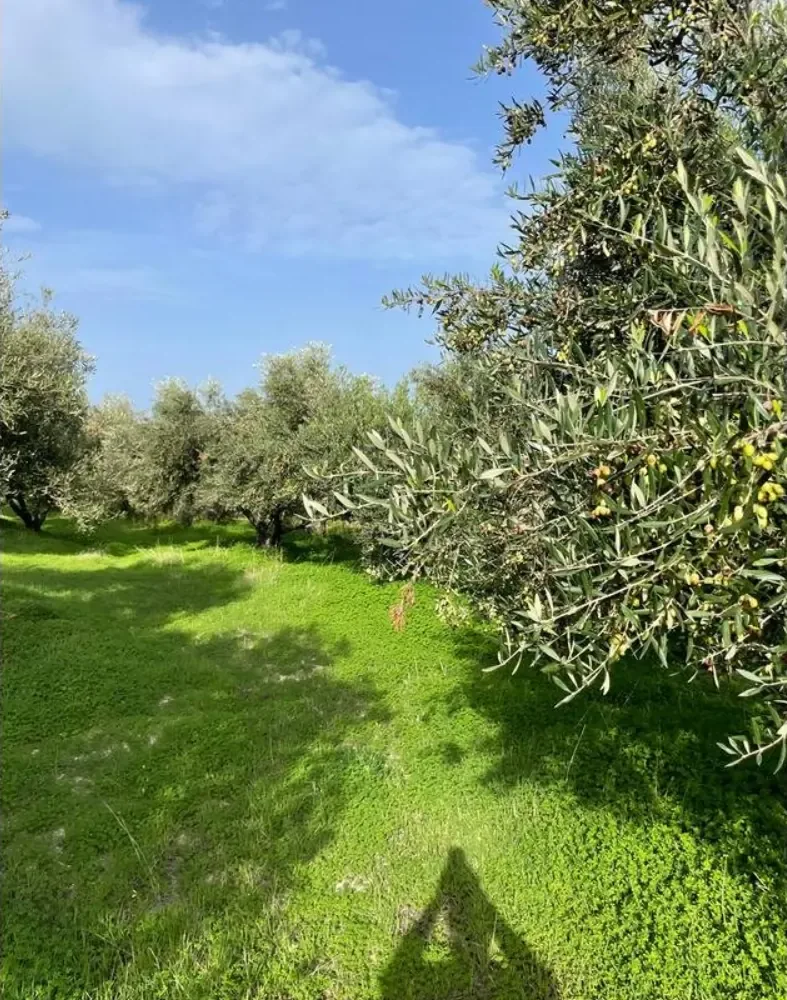
Traditional Olive Grove and Dragon Fruit Farm Tour
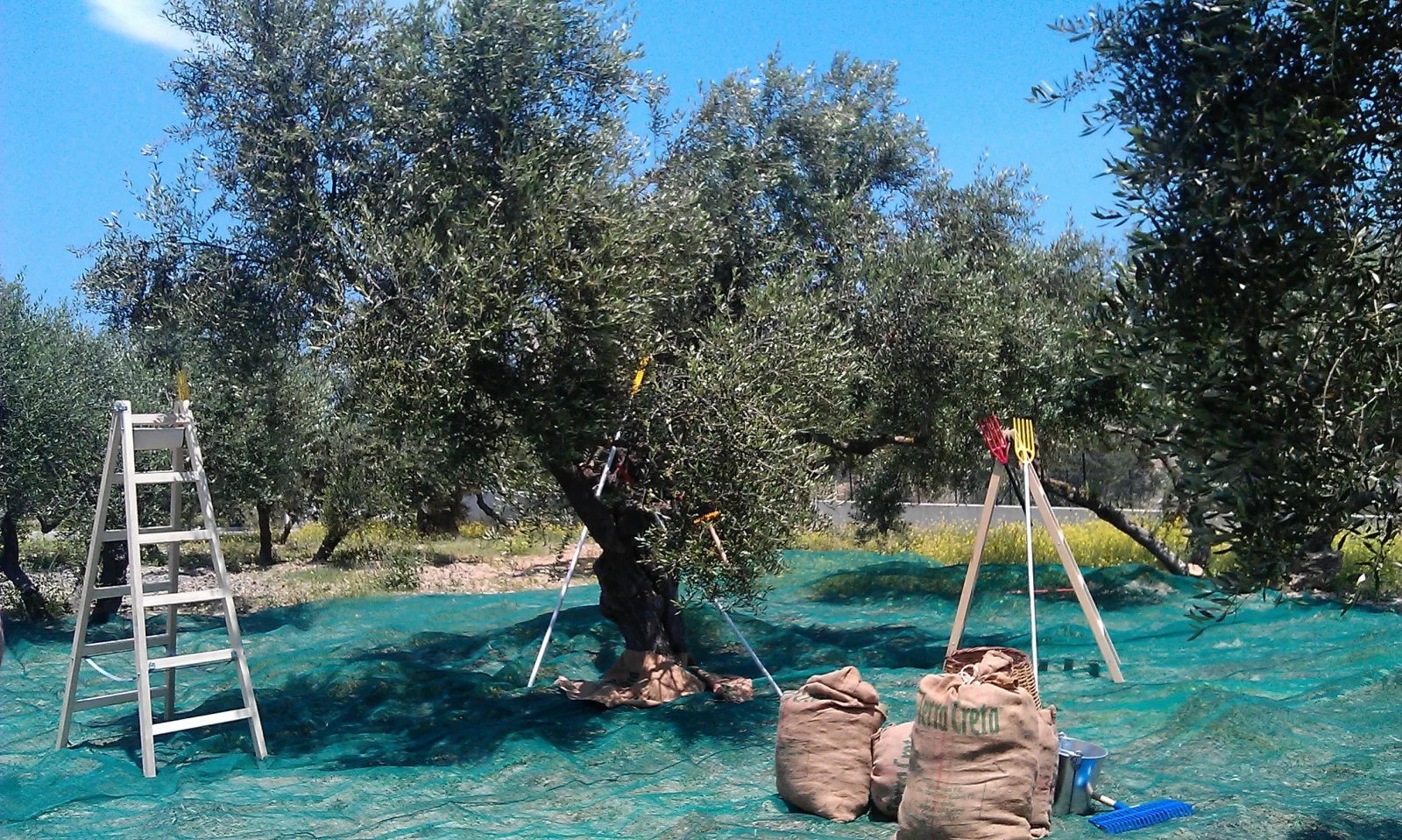 MILL VISIT
The Terra Creta Olive Oil Experience Tour
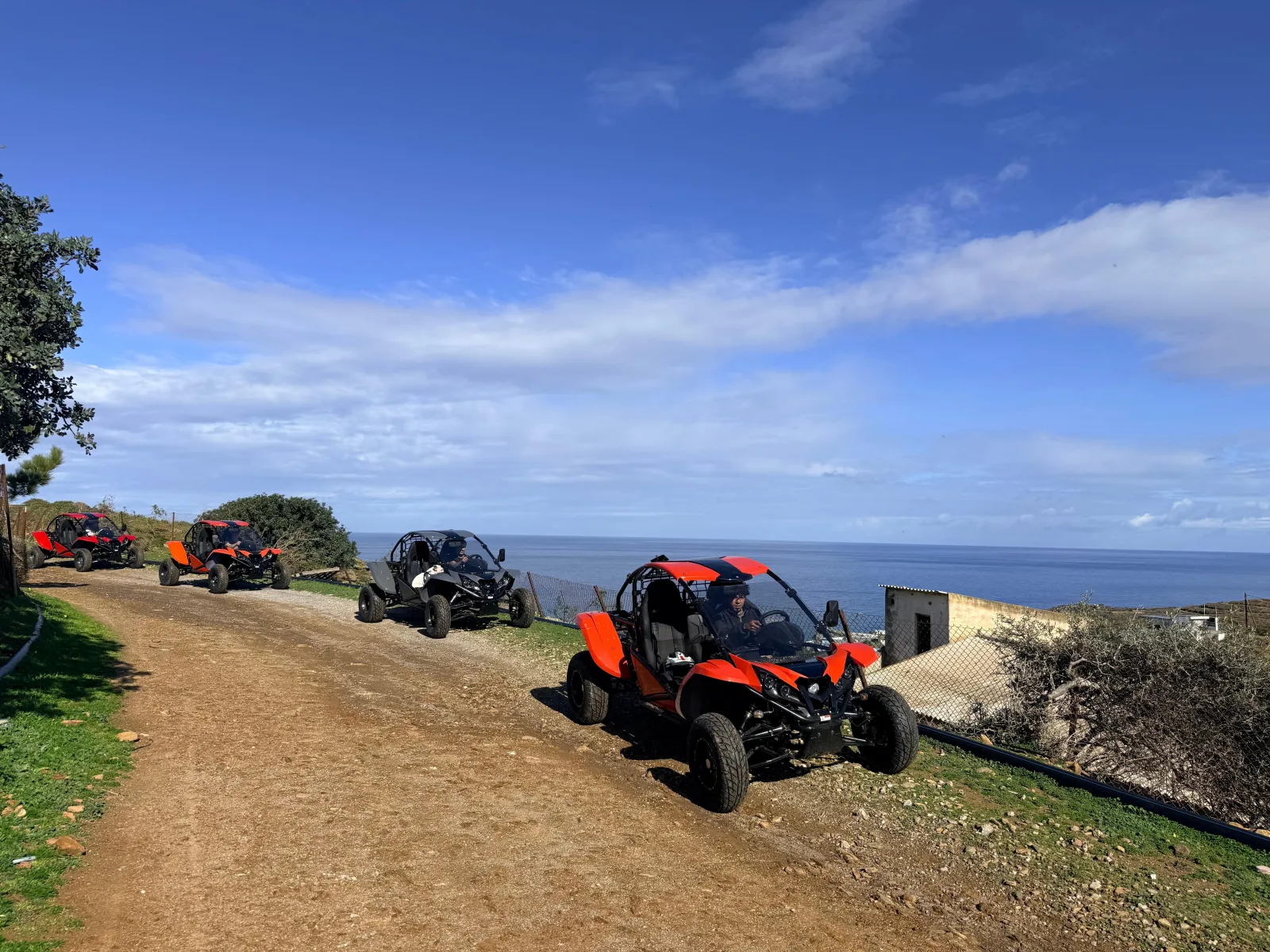 MOST REVIEWED
Crete: Buggy Safari Olive Mill & Tasting & Ghost Village
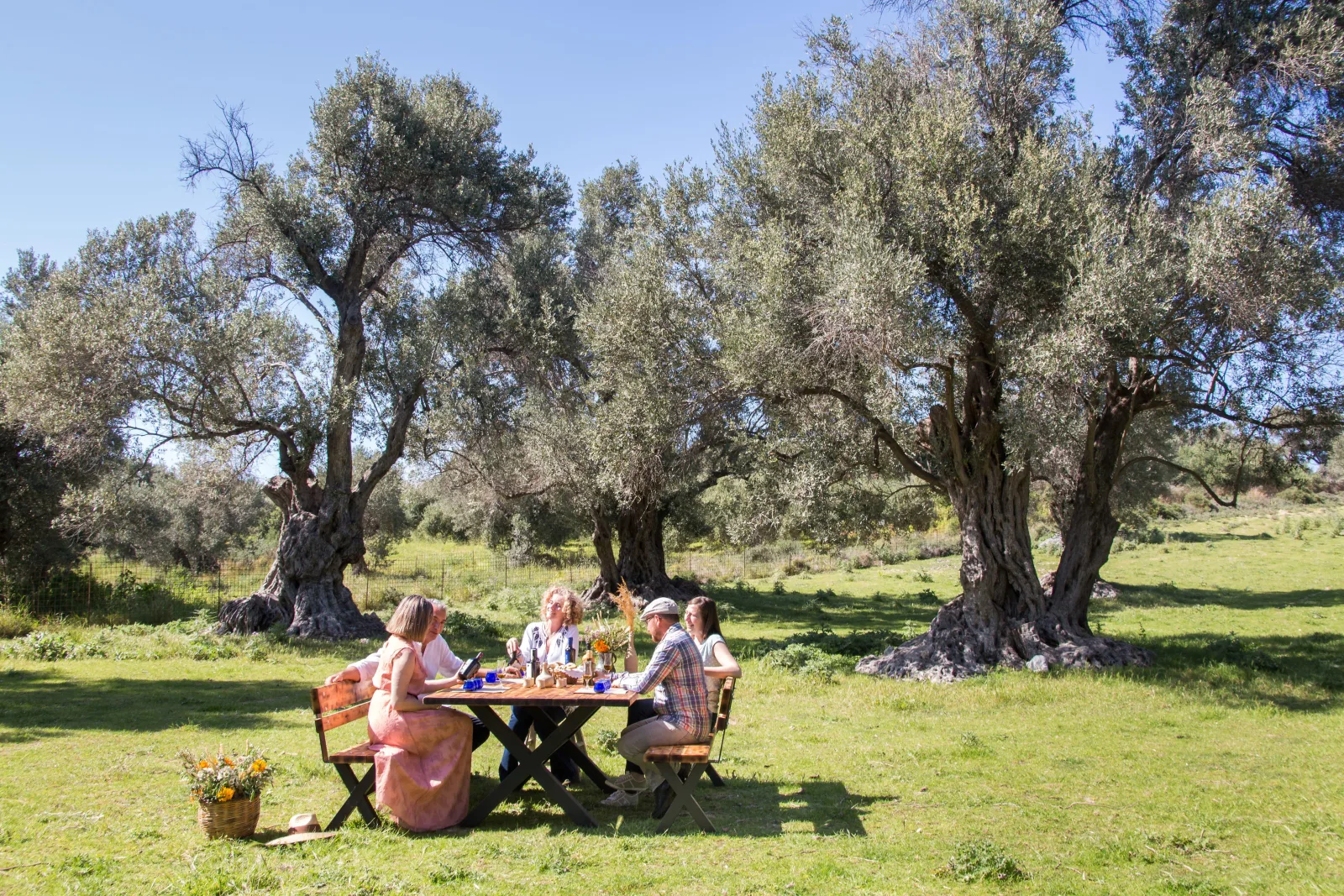 GROVE TASTING
Rethymno: Olive Oil Tasting with Cretan Food Pairing
 EAST CRETE
Crete: Zeus Cave, Lassithi Plateau, and Olive Factory Tour
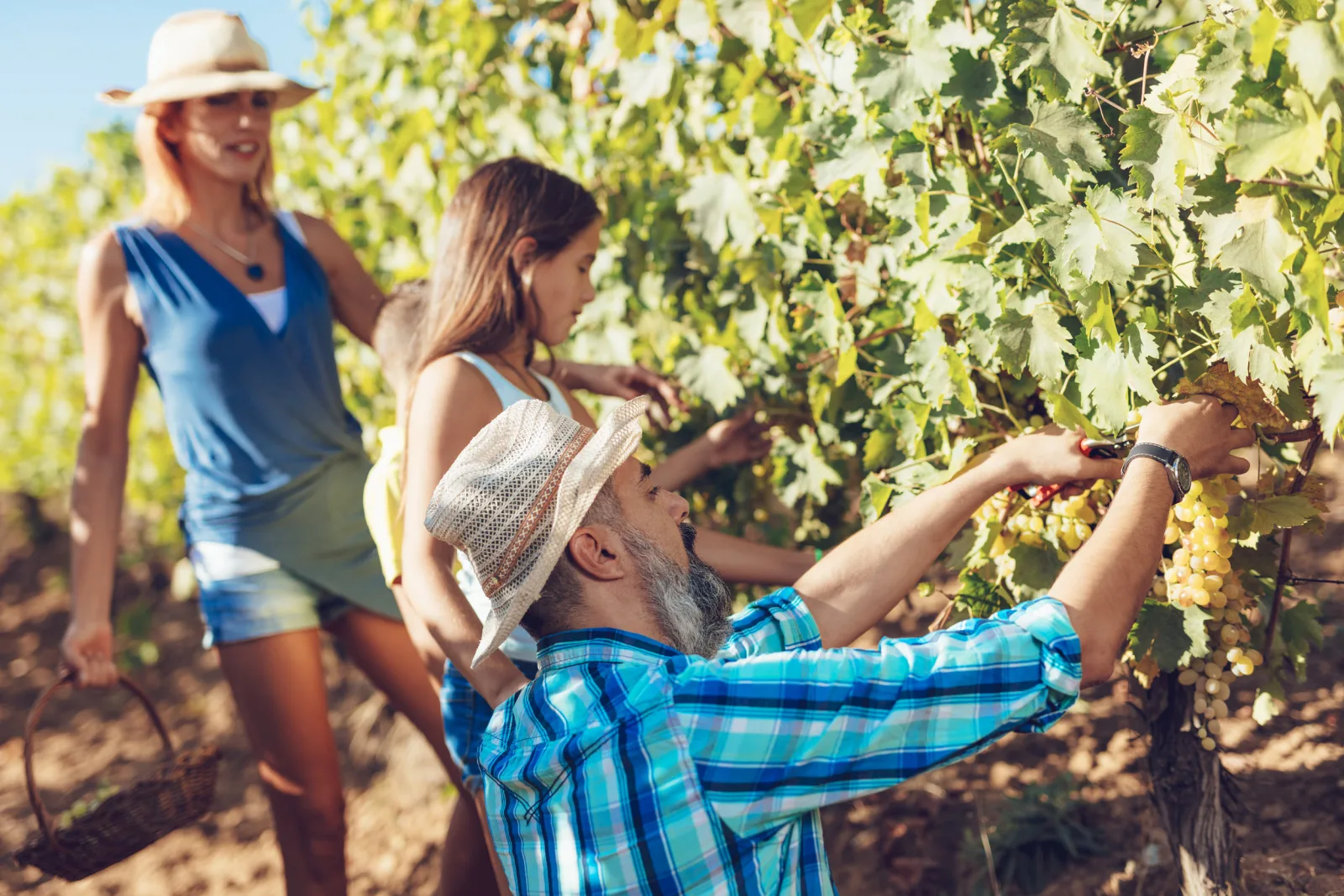 FULL DAY
Crete: Full-Day Cretan Wines, Olive Oil, Raki and Food Tour
 WINE & OIL
From Chania: Wine and Olive Oil Tasting Tour with Snacks
Before You Book
What Actually Separates One Crete Olive Oil Tour From Another
Three things decide whether you get a good day: where you are staying, whether the mill is running, and how much of the tour is really about oil.
Crete produces somewhere around a third of all Greek olive oil, and the island is covered in trees — which means almost every tour operator here can put “olive oil” in a title. Ratings do not separate them either: of the 83 olive-related tours bookable on the island, most sit above 4.7. So the useful questions are different ones.
The mill is only running from November to February
This is the single most common disappointment in the niche, and it is entirely avoidable. A Cretan olive mill presses when the fruit comes off the trees — on the coast from early November, and in the mountains sometimes not until the end of December. By March the presses are clean and still.
The operators are honest about it when you read closely. Terra Creta states plainly on its own listing that “the mill operates only from October to February”, and it is the most oil-focused experience on the island. Visit in July and you will get an excellent guided tour of a spotless, silent production line, a three-oil tasting and genuinely useful advice — but no machinery in motion.
That is not a reason to skip a summer visit. It is a reason to know which kind of visit you are buying, and to weight your choice towards a grove walk or a tasting rather than a factory tour if you are here in August. Our harvest-season guide sets out month by month what is actually happening in the groves.
Where you are staying decides more than you would think
Crete is 260 km end to end and the tours do not cross it. Almost every itinerary is built around hotel pickup from one stretch of coast, and the operators are explicit about their limits.
The Chania tours work the west — the Kolymvari and Kissamos hills, the village of Ano Vouves, and the coastal resorts between Platanias and Stalos. The oil, wine, cheese and honey day lists 104 separate pickup points along that coast alone. Heraklion’s tours run south into the Peza and Skalani wine country. And the eastern routes from Elounda, Malia and Ierapetra explicitly state there is usually no pickup from Heraklion or further west.
Book a tour whose pickup list does not include your resort and you are paying for a transfer on top, or driving yourself. Start with Chania, Rethymno or Heraklion depending on where your bed is, rather than with the tour that looks best in isolation.
“Olive oil tour” covers four quite different days
The phrase is doing a lot of work. In practice the bookable inventory falls into four shapes, and they suit different people.
A mill visit is the shortest and cheapest way to understand production. The Terra Creta experience is one hour at a working Kolymvari facility for $11, with three oils poured at the end — the cheapest and shortest oil-dedicated experience in our catalogue, and the only one of the eight tours on this site that is a mill visit and nothing else.
A grove tasting teaches you to judge the result rather than watch it being made. The Rethymno tasting puts four oils against a four-course menu under 2,000-year-old trees, and at $108 for three hours it is the most expensive per hour on this site and the most specialised.
A multi-producer day treats oil as one of several Cretan products. The full-day Heraklion route covers an olive grove and mill, a winery, a raki distillery, lunch and a pottery studio across eight hours, and at 4.97 from 300 reviews it is the best-rated tour here with real review volume behind it.
And a sightseeing route with a mill stop is what the two most-reviewed listings on the island actually are. The buggy safari has 1,425 reviews and a genuine 30-minute guided mill visit with a tasting — but roughly two and a half of its three and a half hours are spent driving. That is a good day out. It is not an education in olive oil. We have kept both on the site and labelled them for what they are.
If you want the decision made for you against your own circumstances, the which tour should you book guide works through it case by case.
What a serious tasting teaches you
The useful skill is small and it transfers. Good fresh oil is bitter in the middle of the tongue and catches peppery at the back of the throat — that catch is oleocanthal, and it fades as oil ages. Learn it once and you can tell a shop’s good bottle from its ordinary one anywhere.
Almost all Cretan oil is Koroneiki, a small-fruited variety that dominates Greek planting, and six areas of the island hold protected designation of origin status for their oil, including Kolymvari in Chania, Peza and Archanes near Heraklion, and Sitia in the east. A guide who can tell you which zone you are standing in, and what that zone’s oil tastes like, is worth more than one who simply says the word “extra virgin” a lot.
On the ancient trees
Two of the Chania tours build a stop around the Olive Tree of Vouves, and it is genuinely remarkable — a hollowed, sculptural trunk that still fruits. It is often sold as the oldest olive tree in the world. Be a little careful with that: tree-ring analysis establishes it at at least 2,000 years, the 3,000-to-5,000-year figures are estimates, the heartwood is long gone so radiocarbon dating is not possible, and there is no agreed scientific method for dating an olive tree at all. Other trees elsewhere claim the same title. It is well worth standing under. The number on the sign is not settled science.
Guest Reviews
What Our Guests Say
4.6/5
from 1065 verified guests
Ratings and review counts are the tour operators' live figures on GetYourGuide and may shift slightly day to day.
"A must do activity in Crete. The guide was so lovely, knowledgeable and friendly. The bus was comfortable and it is great for any group size. It was such a wonderful experience where you also see the Cretan landscape. And all the food and wine tastings were delicious. Highly recommended! 🙌🏽"
"A great activity with a very Informative guide. The experience was brilliant and the selections of wine and food is brilliant highly recommended."
"guide was energetic and enthusiastic and shared so much knowledge"
"Linda was the best. We could tell she knew so much about Crete and she was very passionate about the culture. It was a wonderful day and we really enjoyed it."

"A good trip with interesting business guys of the history of life in Crete. The stops at the honey producers was good with some nice tasting samples of cheese bread and honey. The wine tasting was also very good. We were happy we decided to take the tour."
"It was a great experience! We loved getting to experience so many different things in one trip."
"It was really fun to have the bread, then cheese, followed by honey and lastly wine. We got a little food at each place and took it for a picnic the next day to Elafonissi Beach. The only down side was the size of the group. Sometimes it was difficult to hear the guide and there were long lines to taste and purchase products."

Read all 1065 verified reviews
See All ReviewsTaste Crete Where the Oil Is Pressed
Mill visits, guided tastings and grove walks across Chania, Rethymno, Heraklion and Lasithi — from $10, with free cancellation up to 24 hours before you go. Starting from $45 per person.
Check Availability & BookCan't Make These Dates?
Browse More Available Options
Find a tour that fits your schedule — all with instant confirmation and free cancellation.
Crete Olive Oil Tour FAQ
Harvest timing, regions, costs and what a tasting actually involves.
Roughly November to February. Cretan olives are picked from early November on the coast and sometimes not until late December in the mountains, and the fruit has to be pressed within hours of coming off the tree — so that is the only window when the machinery runs. Terra Creta states on its own listing that its mill operates only from October to February. Outside those months the tours still run and the tastings are unaffected, but you will walk a clean, stationary production line. Our harvest season guide breaks it down month by month.
From $10 for a ninety-minute walk around a family olive grove near Heraklion, or $11 for a one-hour mill visit and three-oil tasting at Terra Creta in Kolymvari. Full days with hotel pickup, several producers and lunch run $45 to $137. The cheapest options exclude transport, which is the cost people forget — see our cost breakdown.
Whichever part you are staying in, because the tours do not cross the island. Chania in the west has the most inventory, the Kolymvari PDO zone and the ancient Vouves tree. Heraklion's tours run south into the Peza and Skalani country and tend to combine oil with wine and raki. Rethymno has the most specialised tasting on the island. Eastern tours from Elounda and Malia explicitly state they usually do not collect from Heraklion or further west.
The full-day tours usually do — the Chania oil, wine, cheese and honey tour lists 104 pickup points along the north-west coast, and the eastern Lassithi route collects from Elounda, Malia, Gouves and Ierapetra. The cheapest experiences do not: Terra Creta, the Heraklion family farm and the Rethymno grove tasting all expect you to make your own way, so add a taxi fare when comparing prices.
Three or four oils, poured in sequence. You are taught to find the bitterness in the middle of the tongue and the peppery catch at the back of the throat — that catch is the mark of fresh oil and it fades with age. Better tours pair each oil with food so the differences stop being abstract; the Rethymno tasting runs a four-course menu against four oils. See what to expect at a tasting.
The tasting skill is the transferable part, and it is small: once you can recognise a fresh, peppery oil you can pick a good bottle anywhere, cooking or not. The grove and mill material is more like a history lesson about how the island works. If neither appeals, a tour that bundles oil with wine, raki and lunch will give you a better day than a dedicated tasting.
Yes — it is the most common pairing on the island, because the same inland areas grow both. The full-day Heraklion tour covers an olive grove and mill, a winery and a raki distillery in eight hours, and the Chania route pairs two Kissamos wineries with a premium oil factory. Our oil versus wine guide covers which way round to do it.
Almost all of it is Koroneiki, a small-fruited variety that dominates Greek planting and produces a notably peppery, bitter oil high in polyphenols. Six areas of Crete hold protected designation of origin status — including Kolymvari and Chania in the west, Peza, Archanes and Viannos around Heraklion, and Sitia in the east — so a guide who can tell you which zone you are in is telling you something real about the flavour.
Probably not provably. Tree-ring analysis puts it at at least 2,000 years; the 3,000-to-5,000-year figures that operators quote are estimates, its heartwood is long gone so radiocarbon dating is impossible, and there is no agreed scientific method for dating an olive tree. Other trees elsewhere make the same claim. It is a genuinely extraordinary thing to stand under — just treat the number on the sign as an estimate rather than a fact.
The grove and farm visits are, and the Heraklion family farm welcomes children from age one. The combined wine tours are less suitable: they serve alcohol at two or three stops and under-18s get water or juice instead. The buggy safari requires drivers to be 18 with a licence held a year, though passengers are welcome from age four.
Yes, and the producer's gate price is usually the best you will find. The practical issue is flying with it — liquids over 100 ml cannot go in cabin baggage, so it has to be checked and properly packed. Several producers, Terra Creta among them, sell in travel-safe packaging for exactly this reason.
A mill shows you how oil is made; a tasting teaches you to judge the result. If you only do one and you are visiting in summer, take the tasting — the mill will be idle. If you are here in harvest season, the mill is the rarer experience. The which tour guide works through the combinations.
Still have questions? Email us at info@creteoliveoiltours.com
Keep Exploring
Explore More
Every olive oil tour, region guide and planning article on this site, in one place.
By Region
Individual Tours
- Chania Olive Oil, Wine & Cheese Tour | 3,000-Year Tree
- Chania Wine & Olive Oil Tasting Tour | Kissamos Hills
- Crete Buggy Safari & Olive Mill Tour | 1,425 Reviews
- Crete Olive Grove & Dragon Fruit Farm Tour | From $10
- Crete Olive Oil, Wine & Raki Full-Day Tour | 4.97/5
- Rethymno Olive Oil Tasting & Food Pairing | Amari Valley
- Terra Creta Olive Oil Experience, Kolymvari | From $11
- Zeus Cave, Lassithi & Olive Factory Tour | East Crete